

Nearly every american business relies on powerful visuals to stand out, yet many still underestimate their impact. With professional displays driving up to 50 percent higher audience engagement compared to static signs, these technologies are reshaping how organizations communicate, especially in fast-paced event and trade show settings. Understanding which display options deliver the most value empowers leaders to create memorable experiences that elevate their brand and maximize every marketing opportunity.
Table of Contents
- Defining Professional Displays And Key Concepts
- Types Of Professional Displays For Events
- Essential Features And Benefits For Businesses
- Real-World Applications In Events And Trade Shows
- Comparing Professional And Diy Display Solutions
- Cost, Roi, And Common Investment Mistakes
Key Takeaways
| Point | Details |
|---|---|
| Professional Displays Enhance Communication | They offer high-resolution, interactive technologies that significantly improve audience engagement and brand messaging. |
| Focus on Strategic Display Selection | Choose display types based on event objectives, audience demographics, and venue capabilities for optimal impact. |
| Investing Wisely in Displays | Consider long-term value and ROI by evaluating total costs, maintenance needs, and the potential for audience engagement enhancement. |
| Avoid Common Investment Pitfalls | Organizations should plan meticulously and align display technologies with their specific communication goals to avoid costly mistakes. |
Defining Professional Displays and Key Concepts
Professional displays represent specialized visual communication technologies designed to capture audience attention, deliver dynamic information, and enhance brand messaging across diverse settings. These powerful visual systems go far beyond traditional static signage, offering interactive and immersive experiences that transform how organizations communicate.
In modern business environments, professional displays encompass multiple technological formats. According to Wikipedia, these can include sophisticated configurations like video walls - multi-monitor setups consisting of computer monitors, video projectors, or television sets tiled together to create expansive, high-resolution visual canvases. Such display technologies typically leverage advanced panel types including LCD panels, Direct View LED arrays, and rear projection cubes, enabling organizations to present information with remarkable clarity and impact.
Interactive display technologies further expand the capabilities of professional visual systems. As defined by Wikipedia, interactive whiteboards represent a prime example, functioning as large touchscreen interfaces that can operate independently or control connected computer systems. These versatile tools find applications across critical professional domains like corporate training rooms, educational environments, and collaborative workspace settings.
Key characteristics of professional displays include:
- High resolution visual output
- Scalable configuration options
- Advanced interactive capabilities
- Robust construction for commercial use
- Seamless integration with digital ecosystems
By understanding these core concepts, businesses can strategically leverage professional display technologies to enhance communication, training, and brand engagement strategies. Explore our comprehensive guide on custom displays to discover how these innovative solutions can transform your organizational visual communication approach.
Types of Professional Displays for Events
Professional displays for events represent a dynamic range of visual communication solutions designed to capture audience attention, showcase brand messaging, and create immersive experiences. These specialized display technologies enable organizations to transform standard event spaces into engaging, interactive environments that leave lasting impressions on attendees.
The primary categories of professional displays include:
- Portable Pop-up Displays: Lightweight, collapsible systems perfect for trade shows and conferences
- Modular Display Walls: Customizable configurations that can be reconfigured for different event spaces
- Digital Signage Displays: High-resolution screens featuring dynamic content and real-time updates
- Interactive Touchscreen Displays: Engaging interfaces that allow direct audience interaction
- Banner Stands: Compact, vertical display solutions for targeted messaging
Each display type serves unique strategic purposes, allowing businesses to select the most appropriate visual communication tool for their specific event objectives. For detailed insights into maximizing event display impact, check out our guide on designing event displays that can help organizations make informed choices about their visual presentation strategies.
Technological advancements have significantly expanded the capabilities of professional displays. Modern event display systems now integrate cutting-edge features like high-definition graphics, seamless wireless connectivity, and advanced content management platforms. These innovations enable businesses to create more dynamic, responsive, and personalized visual experiences that can adapt instantly to changing audience engagement needs.
When selecting professional displays for events, organizations should consider key factors such as:
- Venue size and layout
- Target audience demographics
- Specific communication objectives
- Budget constraints
- Technical infrastructure requirements
By carefully evaluating these considerations, businesses can deploy professional displays that not only capture attention but also effectively communicate their brand message and create meaningful audience connections.
Essential Features and Benefits for Businesses
Professional displays represent a strategic investment that goes far beyond visual aesthetics, delivering tangible business advantages across multiple operational domains. These advanced visual communication tools provide organizations with powerful mechanisms to enhance brand perception, improve audience engagement, and drive meaningful business outcomes.

The core business benefits of professional displays include:
- Enhanced brand visibility and recognition
- Increased audience engagement and interaction
- Improved information retention and communication effectiveness
- Flexible and adaptable marketing solutions
- Data-driven performance tracking capabilities
Modern professional displays offer sophisticated technological features that transform traditional communication strategies. High-resolution screens, interactive interfaces, and seamless content management systems enable businesses to create dynamic, responsive visual experiences that can be instantly customized to meet specific audience needs. Learn more about maximizing display impact with our comprehensive guide on portable displays, which provides in-depth insights into strategic display deployment.
From a strategic perspective, professional displays deliver measurable advantages across diverse business environments. In corporate settings, they facilitate more engaging presentations, enable real-time data visualization, and support collaborative work processes. Trade show exhibitors can leverage these technologies to create immersive brand experiences that distinguish their organizations from competitors, while educational institutions can use interactive displays to enhance learning outcomes and student engagement.
Key strategic considerations for businesses investing in professional displays include:
- Alignment with overall marketing and communication objectives
- Scalability and future-proofing technological investments
- Integration capabilities with existing digital infrastructure
- Total cost of ownership and return on investment
- Potential for generating actionable audience insights
By carefully selecting and implementing professional display solutions, businesses can transform their visual communication strategies, creating more impactful, memorable, and effective audience interactions that drive meaningful organizational success.
Real-World Applications in Events and Trade Shows
Professional displays have revolutionized how organizations communicate and engage audiences across diverse event environments. According to research from MSU, events encompass multiple categories including corporate events, trade fairs, trade shows, meetings, seminars, and conferences - each requiring unique communication strategies and visual presentation approaches.
In trade show environments, professional displays serve critical strategic functions:
- Creating immersive brand experiences
- Demonstrating product capabilities
- Capturing audience attention
- Facilitating interactive product demonstrations
- Generating high-quality leads
Explore our comprehensive guide on trade show display strategies to understand how businesses can maximize their event presence through strategic visual communication technologies. Modern display solutions enable organizations to transform traditional booth experiences into dynamic, engaging brand interactions that resonate with target audiences.
Different event types demand specialized display approaches. Corporate conferences might utilize large-scale video walls for keynote presentations, while technology trade shows could leverage interactive touchscreen displays to showcase product features. Medical symposiums often employ high-resolution medical imaging displays, and educational conferences might integrate collaborative digital whiteboards to enhance learning experiences.
Key considerations for implementing professional displays in event environments include:
- Audience demographics and engagement preferences
- Venue technical infrastructure
- Budget constraints
- Specific communication objectives
- Required content flexibility
By strategically selecting and deploying professional display technologies, organizations can create memorable, impactful event experiences that effectively communicate their brand message and drive meaningful audience connections.
Comparing Professional and DIY Display Solutions
The choice between professional and DIY display solutions represents a critical strategic decision for businesses seeking to maximize their visual communication effectiveness. While DIY approaches might seem cost-effective initially, professional display solutions offer comprehensive advantages that often outweigh the perceived short-term savings of homemade alternatives.
Key differences between professional and DIY display solutions include:
- Quality of Visual Output: Professional displays deliver superior graphic resolution and color accuracy
- Technical Reliability: Engineered for consistent performance and minimal technical failures
- Brand Presentation: Professionally designed displays communicate credibility and sophistication
- Customization Capabilities: Advanced options for tailored branding and messaging
- Long-Term Cost Effectiveness: Reduced maintenance and replacement expenses
Discover comprehensive insights into display technology with our detailed guide, which explores the nuanced considerations businesses must evaluate when selecting visual communication solutions. Professional displays represent more than just technological tools - they are strategic assets designed to elevate brand perception and audience engagement.
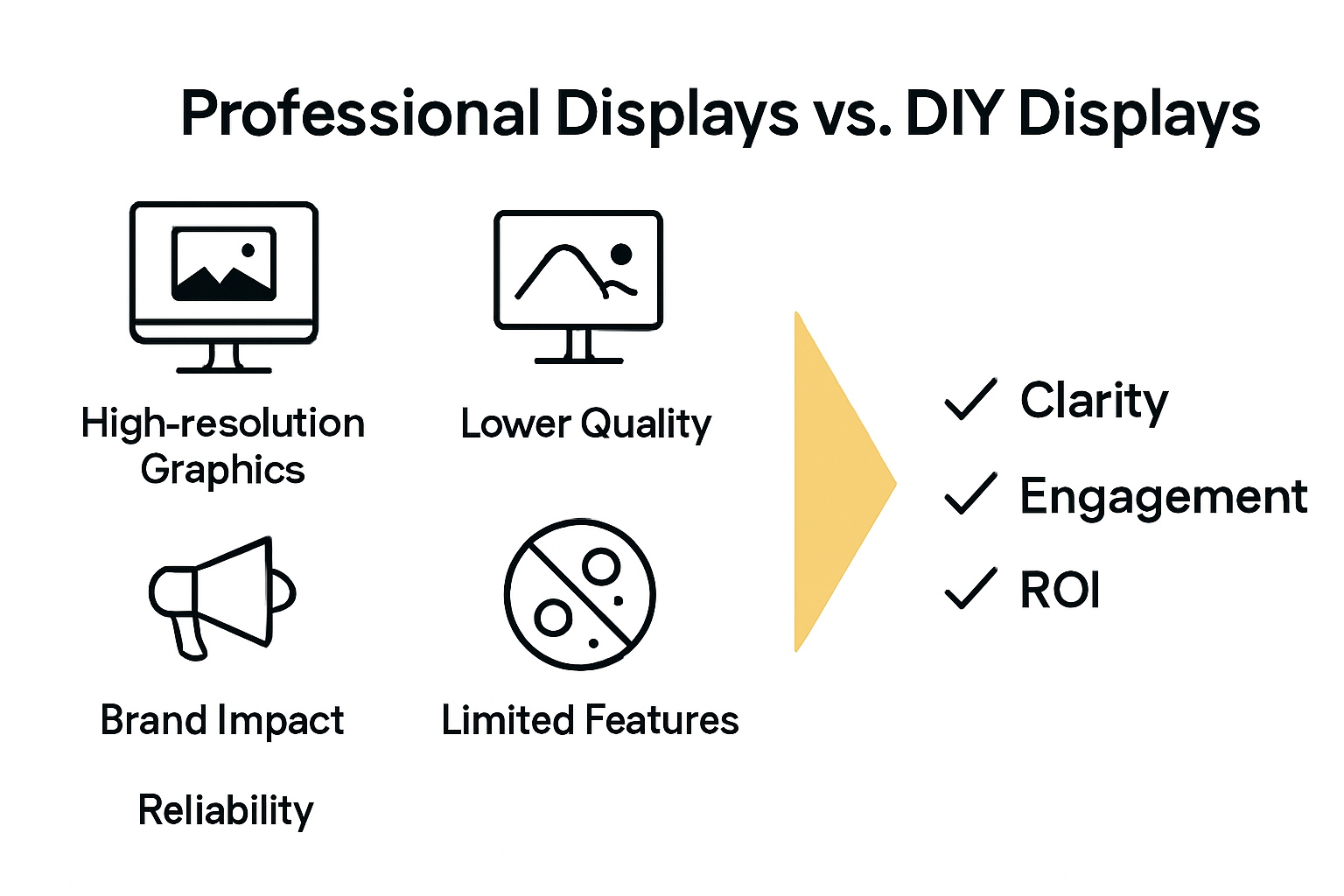
The investment in professional display solutions transcends aesthetic considerations. Advanced technologies integrate sophisticated features like real-time content management, interactive interfaces, and seamless digital ecosystem compatibility. DIY solutions frequently lack these critical capabilities, potentially compromising a brand’s ability to create impactful, dynamic visual experiences.
Critical evaluation factors when comparing professional versus DIY display solutions include:
- Initial investment costs
- Technical complexity of setup and maintenance
- Scalability and future adaptation potential
- Alignment with specific communication objectives
- Potential return on visual communication investments
By understanding these nuanced differences, organizations can make informed decisions that optimize their visual communication strategies, ensuring maximum impact and professional representation across diverse event and marketing environments.
Cost, ROI, and Common Investment Mistakes
Investing in professional displays requires strategic financial planning and a comprehensive understanding of potential returns and pitfalls. According to research from MSU, common investment mistakes include inadequate planning, underestimating costs, and neglecting post-event follow-up - critical considerations that can significantly impact overall return on investment.
Key financial considerations for professional display investments include:
- Initial hardware and software acquisition costs
- Installation and technical integration expenses
- Ongoing maintenance and upgrade requirements
- Potential revenue generation through enhanced audience engagement
- Long-term brand perception and marketing value
Return on Investment (ROI) calculations extend beyond simple monetary metrics. Professional displays deliver intangible benefits like improved brand perception, enhanced audience interaction, and increased event engagement. For comprehensive insights into maximizing display investments, explore our trade show display guide, which provides strategic approaches to optimizing visual communication technologies.
Common investment mistakes that organizations must carefully avoid include:
- Prioritizing lowest upfront cost over long-term value
- Overlooking technical compatibility and integration challenges
- Failing to align display technologies with specific communication objectives
- Neglecting staff training for effective display utilization
- Underestimating required technical support and maintenance
By approaching professional display investments with strategic financial planning, businesses can transform potential expenses into powerful marketing assets that deliver measurable value across multiple organizational communication channels.
Elevate Your Event Presence with Professional Displays from Live Displays
Investing in professional displays is about overcoming common challenges like capturing audience attention, delivering clear brand messaging, and creating memorable event experiences. To achieve these goals, your visual communication needs scalable, high-quality solutions that stand out in busy event environments. The right display technology, as highlighted in the article, boosts engagement and drives meaningful connections while ensuring your message is seen with clarity and impact.
At Live Displays, we understand how crucial these outcomes are for your success. That is why we provide a wide range of tailored display products designed to meet specific event needs. From versatile Roll Up Banner Stands that are quick to set up and transport, to sturdy Gazebos that offer professional shelter and branding presence, every option is crafted to enhance your event visibility and communication strategy.
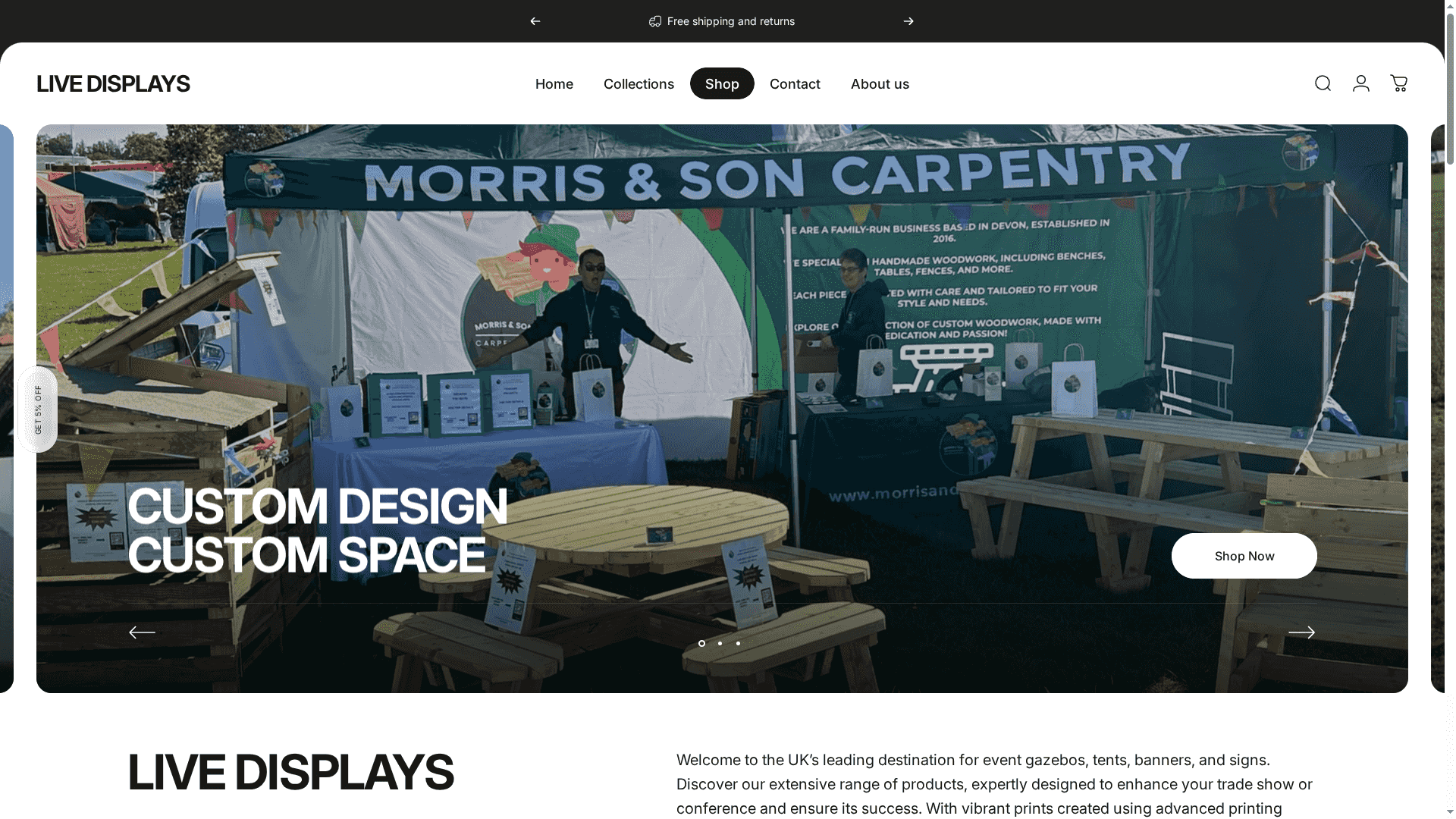
Get started now and transform your event displays into powerful marketing assets. Visit Live Displays today to explore our customizable solutions. Take the next step toward maximizing your event impact with expert-quality displays that align perfectly with your brand vision and communication goals.
Frequently Asked Questions
What are professional displays?
Professional displays are specialized visual communication technologies designed to engage audiences, deliver dynamic information, and enhance brand messaging in various settings. They include features like high resolution, scalability, and interactive capabilities.
How can professional displays benefit my business?
Investing in professional displays can enhance brand visibility, increase audience engagement, improve communication effectiveness, and provide flexible marketing solutions with data-driven performance tracking capabilities.
What are the main differences between professional displays and DIY solutions?
Professional displays typically offer superior visual quality, technical reliability, enhanced brand presentation, and advanced customization options compared to DIY solutions, which may lack critical features and long-term reliability.
What factors should I consider when choosing professional displays for events?
When selecting professional displays for events, consider the venue size and layout, target audience demographics, specific communication objectives, budget constraints, and the technical infrastructure requirements.
Share:
Exhibition Setup Basics: Complete Guide for Success
Branded Displays for Events: Complete Guide