
Most American businesses know that strong event branding is more influential today than ever before. With over 80 percent of consumers saying brand experiences shape their buying decisions, the pressure is on to create events that leave a real impression. Effective event branding goes beyond just a recognizable logo; it weaves together story, design, and emotion to turn audiences into loyal fans and drives real results.
Table of Contents
- Defining Event Branding for Modern Events
- Core Elements of Effective Event Branding
- Types and Channels of Event Branding
- Real-World Event Branding Examples
- Common Pitfalls in Event Branding Strategy
Key Takeaways
| Point | Details |
|---|---|
| Event Branding is Strategic | It transforms passive marketing into engaging experiences that connect audiences with brand narratives. |
| Core Elements are Essential | Effective branding integrates visual consistency, narrative coherence, and sensory experience to create memorable connections. |
| Channels are Diverse | Brands can leverage physical, digital, and hybrid events to enhance engagement and foster meaningful interactions. |
| Avoid Common Pitfalls | Organizations should ensure authenticity, brand consistency, and audience awareness to avoid undermining their branding efforts. |
Defining Event Branding for Modern Events
Event branding represents a strategic approach to creating memorable, immersive experiences that connect audiences directly with a company’s core identity and messaging. At its essence, event branding transforms traditional marketing by turning passive interactions into dynamic, engaging encounters. A branded marketing event serves as a platform for customers to interact with brand narratives in ways that go far beyond conventional advertising.
Modern event branding is not just about displaying logos or distributing promotional materials. It’s a comprehensive strategy that integrates visual design, storytelling, sensory experiences, and strategic communication. Event marketing communicates company messages by involving target groups in experiential activities, creating lasting impressions that resonate long after the event concludes. This approach transforms events from mere gatherings into powerful brand communication channels.
Successful event branding requires careful orchestration of multiple elements. Key components include:
- Consistent visual identity
- Immersive environmental design
- Interactive brand experiences
- Emotional connection strategies
- Strategic messaging alignment
Businesses that master event branding understand that every touchpoint is an opportunity to reinforce their unique value proposition. From the moment attendees arrive to their post-event reflections, each interaction becomes a carefully crafted narrative that strengthens brand perception and builds meaningful connections with the target audience.
Core Elements of Effective Event Branding
Creating a powerful event brand goes far beyond simple visual aesthetics. It requires a strategic approach that integrates perceived authenticity into every aspect of the event experience. Authentic branding transforms events from mere promotional gatherings into meaningful connections that resonate deeply with participants.
Successful event branding encompasses multiple critical dimensions. Holistic placemaking strategies demonstrate how events can dramatically improve brand image and quality of experience, turning each interaction into a potential brand-building opportunity. This approach requires careful consideration of several core elements.
Key components of effective event branding include:
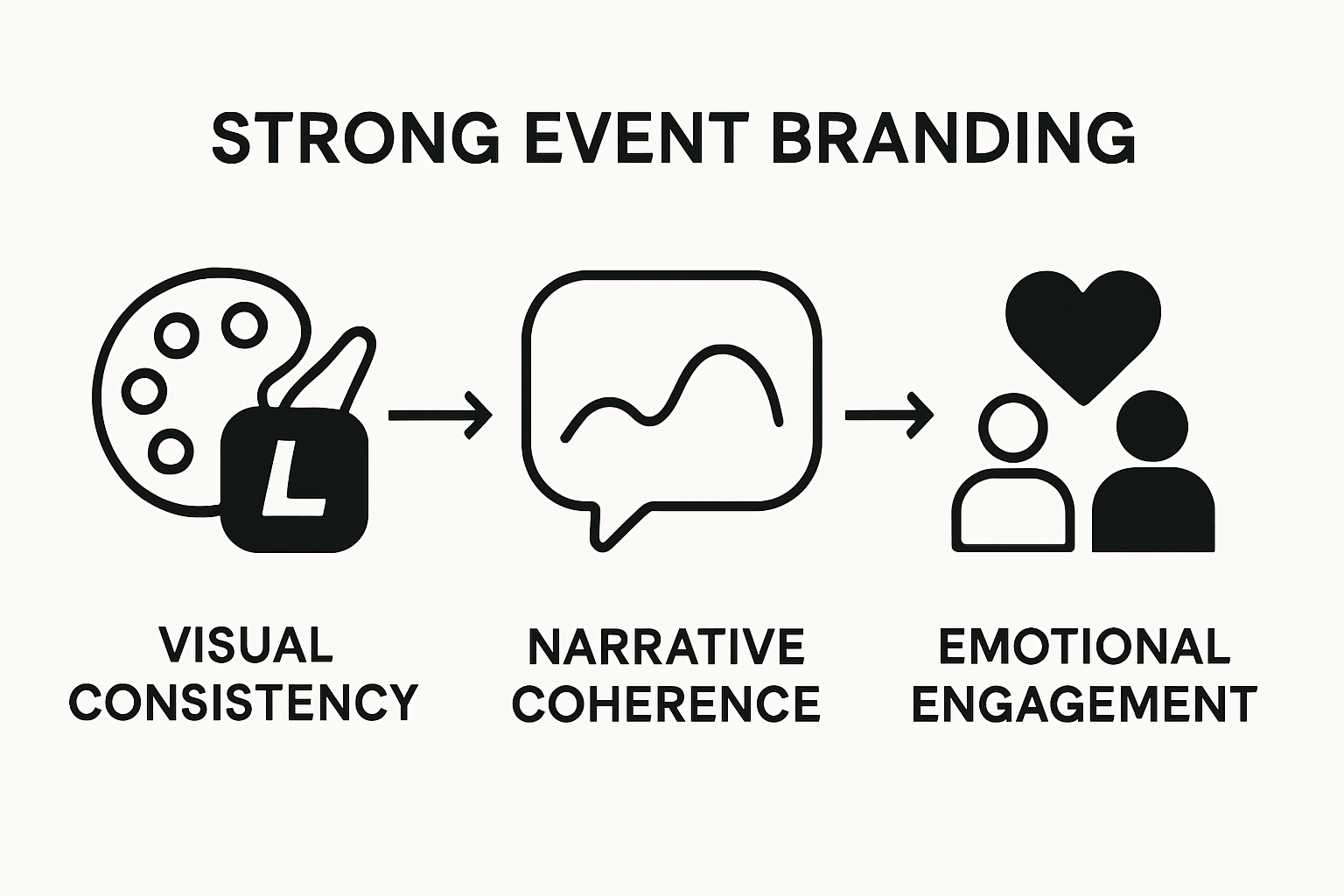
- Visual Consistency
- Uniform color schemes
- Cohesive graphic design
- Aligned typography
- Narrative Coherence
- Compelling storytelling
- Clear brand messaging
- Emotional engagement
- Sensory Experience
- Memorable environmental design
- Interactive touchpoints
- Immersive brand interactions
Professional event branding transforms trade show appearances into strategic brand communication opportunities that extend far beyond physical presence. By meticulously crafting each element of the event experience, organizations can create powerful, memorable brand moments that forge genuine connections with their target audience.
Types and Channels of Event Branding
Event branding encompasses a diverse range of strategies and channels designed to create meaningful connections between brands and their target audiences. Business-to-consumer events focus on building strong relationships by crafting memorable experiences that forge positive brand associations, transforming traditional marketing approaches into immersive interactions.
Event marketing involves experiential promotion through direct brand interactions that create lasting promotional experiences, enabling companies to communicate their core messages in dynamic and engaging ways. These experiences can be categorized into several distinct channels and types:
Event Branding Channel Types:
- Physical Events
- Trade shows
- Conferences
- Product launches
- Corporate gatherings
- Digital Events
- Webinars
- Virtual conferences
- Online workshops
- Livestream experiences
- Hybrid Events
- Simultaneous physical and digital participation
- Integrated engagement strategies
- Multichannel brand experiences
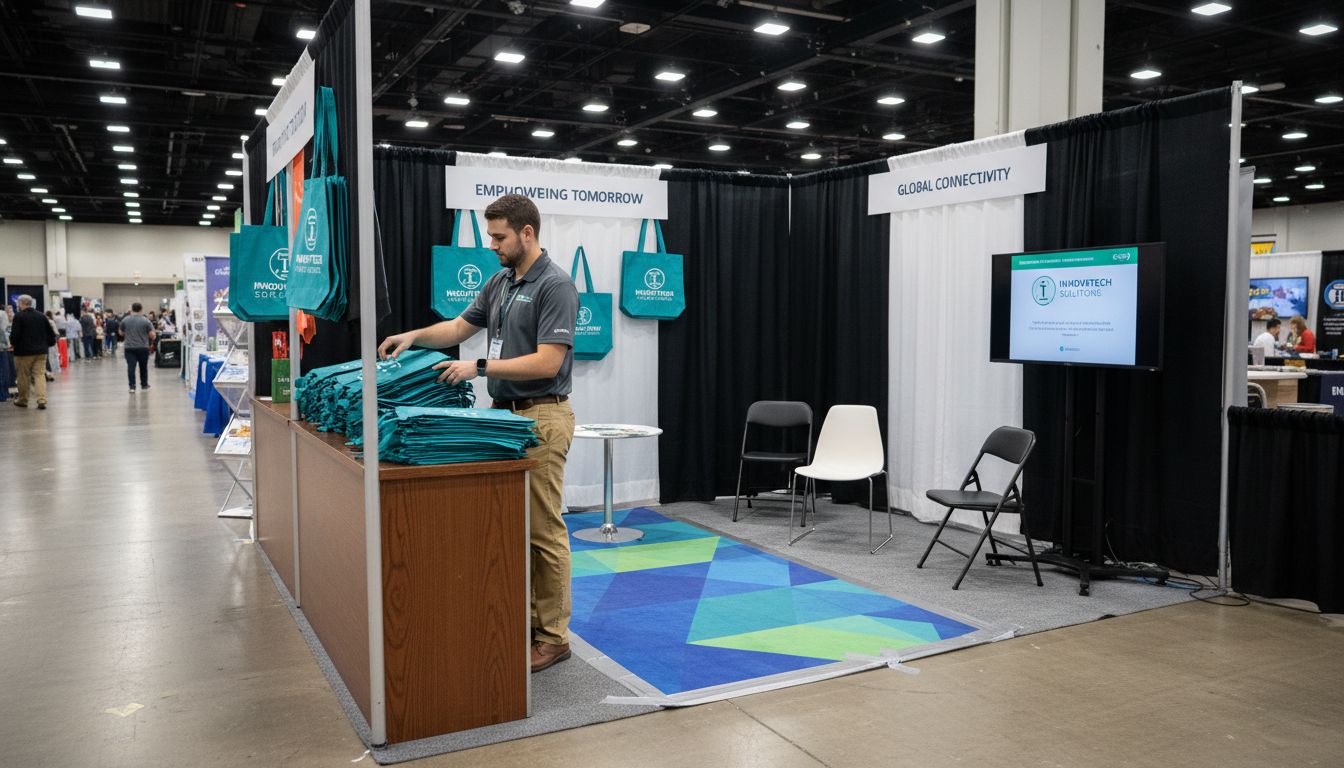
Branded displays play a critical role in maximizing event marketing potential, transforming physical spaces into powerful brand communication platforms. By carefully selecting and implementing the right event branding channels, organizations can create compelling narratives that resonate with their target audiences and drive meaningful engagement.
Real-World Event Branding Examples
Effective event branding transforms ordinary experiences into extraordinary brand narratives that resonate deeply with audiences. Cities like 's-Hertogenbosch demonstrate how strategic event integration can enhance place quality and brand image, showcasing the powerful potential of innovative event branding approaches.
Sports marketing provides particularly compelling illustrations of event branding excellence. Major sports brands strategically align themselves with prestigious events like the World Marathon Majors to amplify their marketing impact, creating memorable experiences that extend far beyond traditional advertising.
Compelling Event Branding Case Studies:
- Tech Conferences
- Apple’s product launch events
- Google I/O developer conferences
- TED Talk experiences
- Athletic Brand Activations
- Nike marathon sponsorships
- Red Bull extreme sports events
- Adidas global soccer tournaments
- Cultural Brand Experiences
- Music festival brand integrations
- Art exhibition sponsorships
- Film festival brand partnerships
Designing strategic event displays can dramatically enhance brand communication potential, transforming physical spaces into powerful storytelling platforms that capture audience imagination and create lasting brand connections.
Common Pitfalls in Event Branding Strategy
Event branding requires precision and strategic thinking, yet many organizations fall into predictable traps that undermine their marketing efforts. Perceived authenticity plays a critical role in determining the success of event branding strategies, with even subtle missteps potentially destroying audience trust and engagement.
Media events can quickly transform into pseudo-events that generate skepticism rather than genuine connection, revealing the delicate balance between promotional intent and authentic experience. Organizations must navigate these challenges with careful consideration and strategic awareness.
Common Event Branding Pitfalls:
- Lack of Authenticity
- Overly scripted interactions
- Forced brand messaging
- Disconnected experiences
- Inconsistent Brand Representation
- Misaligned visual elements
- Conflicting communication styles
- Unclear brand narrative
- Overlooking Audience Expectations
- Ignoring demographic preferences
- Generic engagement strategies
- One-size-fits-all approach
Strategic display design can help mitigate many common event branding mistakes, transforming potential pitfalls into opportunities for meaningful brand connection. Successful event branding demands continuous adaptation, genuine storytelling, and a deep understanding of audience expectations.
Elevate Your Event Branding with Custom Displays That Connect
The article highlights how authentic and immersive event branding transforms ordinary gatherings into powerful brand experiences. If you are aiming to create visual consistency, emotional engagement, and memorable brand narratives at your events, overcoming challenges like inconsistent messaging or generic setups is crucial. That is where quality custom display solutions make all the difference.
Bring together all the core elements of effective event branding with Live Displays. Our selection of vibrant banners, gazebos, flags, and tablecloths are expertly printed to help you establish clear brand identity and coherent storytelling throughout your event space. Whether you are preparing for a trade show, product launch, or corporate gathering our tailored products will help you avoid common pitfalls like disconnected experiences and inconsistent brand representation. Start building unforgettable brand connections today by visiting Live Displays and exploring our custom options. Seize the moment and make your next event a powerful, authentic brand statement.
Frequently Asked Questions
What is event branding?
Event branding is a strategic approach to creating memorable experiences that connect audiences with a company’s identity and messaging, transforming passive interactions into engaging encounters.
Why is event branding important for businesses?
Event branding helps businesses communicate their core messages through immersive experiences, creating lasting impressions that resonate with audiences and build meaningful connections.
What are the key components of effective event branding?
Key components include visual consistency, narrative coherence, sensory experiences, and emotional connection strategies that reinforce a brand’s unique value proposition.
How do different types of events utilize branding?
Different types of events, such as physical events, digital events, and hybrid events, use branding to create engaging narratives and experiences that resonate with targeted audiences through various channels.
Share:
What Is a Pop-Up Display and Why Event Pros Rely On Them
Event Promotion Essentials: Boosting Event Visibility