
Most American organizations invest heavily in event promotion, yet studies reveal nearly 60 percent miss key opportunities for lasting audience engagement. Whether you are planning a product launch or a cultural celebration, understanding event promotion goes far beyond filling seats. This guide breaks down the principles that help transform ordinary events into memorable experiences, offering clear strategies for audience connection, effective branding, and display techniques that set successful events apart.
Table of Contents
- Defining Event Promotion and Core Concepts
- Major Event Display and Promotion Types
- How Custom Displays Impact Audience Engagement
- Branding and Visual Strategy for Events
- Common Mistakes and Optimization Tips
Key Takeaways
| Point | Details |
|---|---|
| Audience Understanding | Conduct thorough audience research to tailor messaging and increase engagement. |
| Compelling Narratives | Focus on creating compelling stories that resonate emotionally with participants, transforming them into active participants. |
| Multi-Channel Communication | Utilize various platforms for strategic communication, ensuring wide reach and effective message delivery. |
| Visual Branding | Develop cohesive visual branding that aligns with event goals, enhancing audience perception and engagement. |
Defining Event Promotion and Core Concepts
Event promotion represents a strategic communication process designed to generate awareness, interest, and engagement around a specific event. At its core, this discipline goes beyond simple advertising by creating meaningful connections with target audiences. Modern event promotion transforms traditional transactional marketing approaches into relationship-driven experiences that resonate emotionally with participants.
The fundamental objective of event promotion involves more than just selling tickets or filling seats. Strategic event promotion focuses on crafting compelling narratives that transform passive observers into active participants. This approach requires understanding audience motivations, designing targeted messaging, and developing multi-channel communication strategies that spark genuine interest. Successful event promoters recognize that each interaction represents an opportunity to build lasting community engagement and brand loyalty.
Effective event promotion encompasses several critical components:
- Audience Research: Understanding demographic profiles, preferences, and communication channels
- Targeted Messaging: Developing compelling narratives that speak directly to participant interests
- Multi-Channel Distribution: Leveraging digital platforms, social media, email marketing, and traditional advertising
- Experience Design: Creating promotional materials that reflect the event’s unique value proposition
Beyond traditional marketing techniques, modern event promotion prioritizes relationship marketing strategies that emphasize long-term connections over short-term gains. This approach transforms events from standalone occurrences into dynamic opportunities for meaningful audience interaction, community building, and sustained engagement.
Major Event Display and Promotion Types
Event displays encompass a diverse range of promotional strategies designed to capture audience attention and communicate brand messages effectively. Events can be categorized into distinct types that shape marketing approaches, ranging from professional conferences to cultural gatherings. Understanding these variations helps organizations select the most appropriate promotional techniques for their specific event objectives.
The primary event display and promotion types include:
- Corporate Events: Trade shows, conferences, product launches
- Cultural Events: Festivals, art exhibitions, performances
- Leisure Events: Concerts, sports competitions, community celebrations
- Personal Events: Weddings, milestone celebrations, networking gatherings
Effective event displays require strategic visual communication that transcends traditional marketing approaches. Event marketing involves creating immersive experiences that directly engage participants with brand representatives, transforming passive observation into active interaction. This means designing displays that are not just visually appealing but also narratively compelling, encouraging deeper audience connection.
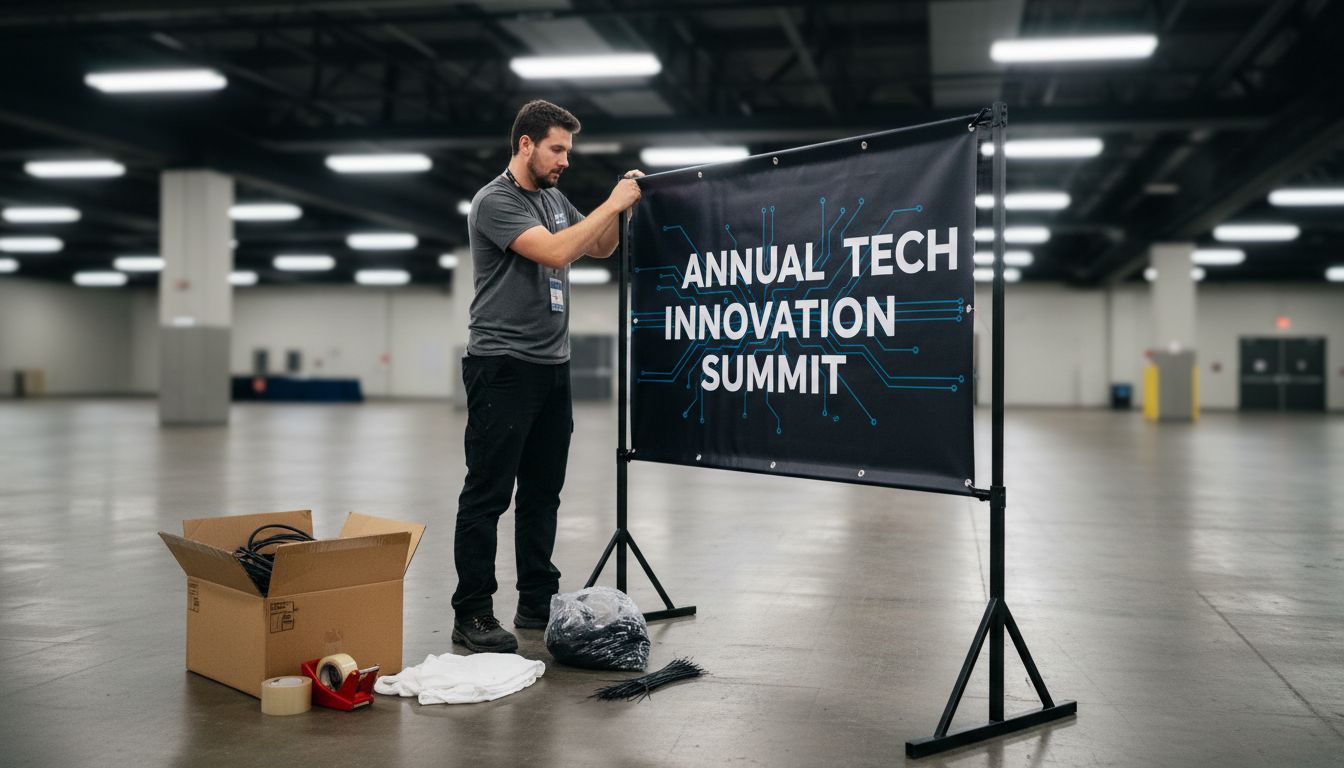
Choosing the right promotional display depends on several critical factors: event type, target audience, venue constraints, and brand messaging objectives. How to Choose Promotional Displays for Maximum Event Impact requires understanding the nuanced relationship between visual presentation and audience engagement, ensuring that each display becomes a strategic communication tool that amplifies event visibility and brand recognition.
How Custom Displays Impact Audience Engagement
Custom displays represent a powerful strategic tool for transforming passive audience interactions into dynamic engagement experiences. Visual merchandising techniques optimize product presentation to attract and motivate audience interactions, creating immersive environments that communicate brand narratives more effectively than traditional marketing approaches.
The key dimensions of audience engagement through custom displays include:
- Visual Communication: Creating compelling visual stories
- Sensory Experience: Designing interactive and memorable displays
- Brand Storytelling: Communicating complex brand messages instantly
- Psychological Triggers: Leveraging design elements to spark emotional connections
Strategic product placement within custom displays can subtly influence audience perception by creating nuanced narrative contexts that invite deeper exploration. This approach transforms displays from mere informational platforms into sophisticated communication instruments that capture attention, provoke curiosity, and encourage meaningful audience interactions. The Essential Guide to Displays in Audience Engagement demonstrates how thoughtfully designed displays can convert casual observers into actively engaged participants, bridging the gap between brand messaging and audience experience.
Branding and Visual Strategy for Events
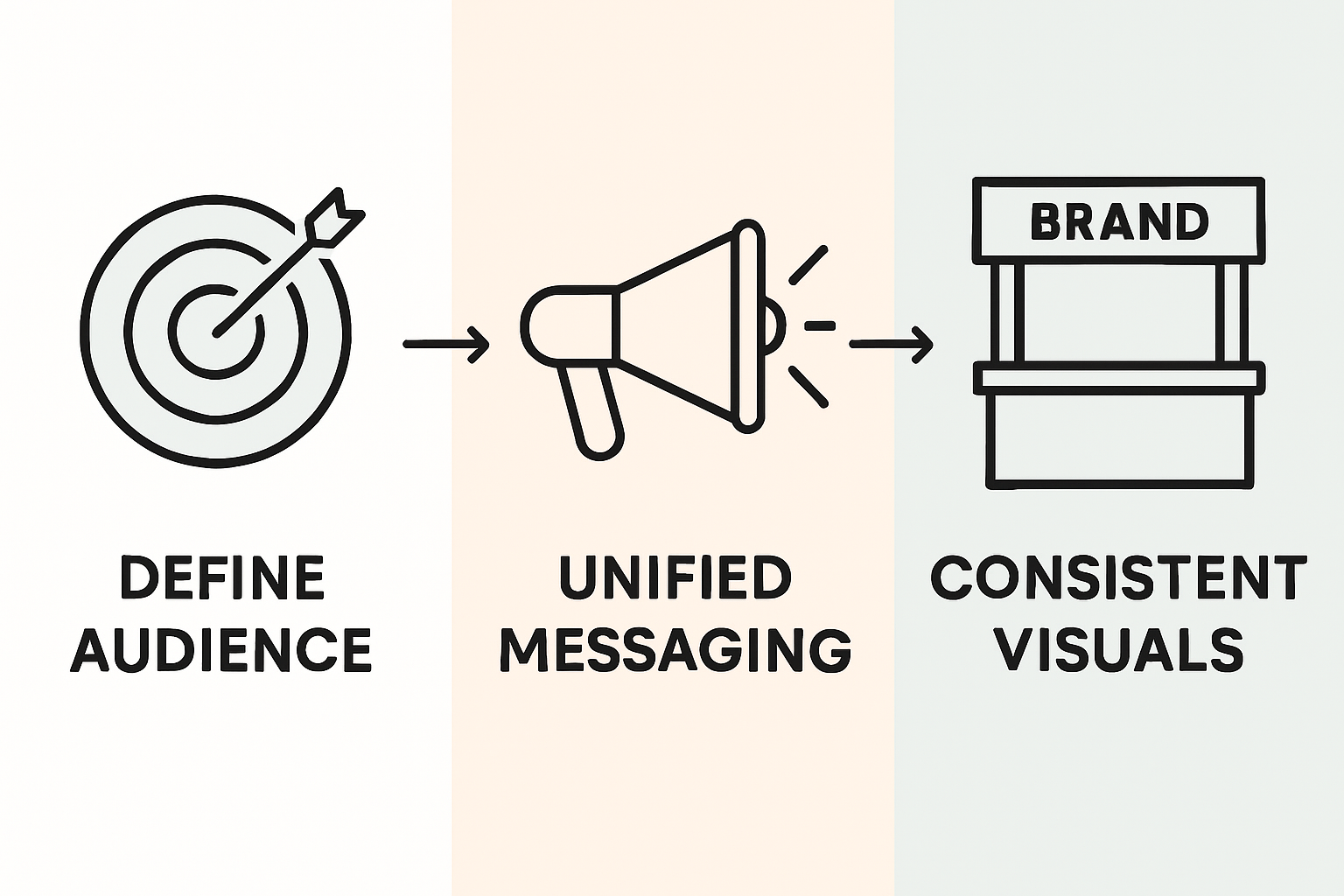
Visual branding represents the critical foundation of event communication, transforming abstract marketing concepts into tangible audience experiences. Event concept development requires a clear purpose that aligns all visual elements with brand objectives, ensuring every design choice communicates a deliberate and strategic narrative.
Successful event branding strategies incorporate several key elements:
- Color Psychology: Selecting color palettes that evoke specific emotional responses
- Consistent Messaging: Maintaining uniform visual language across all display materials
- Brand Identity Integration: Seamlessly incorporating logo, typography, and design guidelines
- Narrative Design: Creating visual stories that resonate with target audience expectations
Integrated Marketing Communications principles demand a unified approach to visual storytelling, where every graphic element works harmoniously to reinforce brand perception. Branded Displays for Events demonstrate how strategic visual design transforms events from simple gatherings into powerful brand communication platforms, generating deeper audience connections and memorable brand experiences that extend far beyond the event itself.
Common Mistakes and Optimization Tips
Event marketing strategies require precision and strategic planning to avoid common pitfalls that can undermine promotional efforts. Core event marketing principles highlight critical mistakes organizations frequently make, revealing opportunities for significant performance improvement and audience engagement enhancement.
Common mistakes in event promotion and display strategies include:
- Poor Audience Understanding: Failing to research target demographic preferences
- Inconsistent Messaging: Disconnected visual and communication strategies
- Inadequate Preparation: Last-minute display and marketing design
- Neglecting Follow-up: Missed opportunities for post-event engagement
Successful event professionals recognize that optimization requires a holistic approach. Strategic preparation involves understanding audience expectations, developing compelling narratives, and creating seamless visual experiences that transform passive observers into active participants. 7 Essential Display Marketing Tips for Event Success demonstrates how thoughtful design and strategic communication can convert potential challenges into powerful marketing opportunities, ensuring that every event becomes a memorable brand interaction.
Elevate Your Event Promotion with Custom Displays That Captivate
Struggling to turn event attendees into engaged participants is a common challenge in event promotion. This article highlights the need for strategic, visually compelling displays that create emotional connections and memorable brand experiences. At Live Displays, we understand that first impressions matter. That is why our range of customizable promotional products, including Roll Up Banner Stands – LIVE DISPLAYS, are designed to boost your event visibility with bold visuals and targeted messaging that resonate with your audience.
Don’t settle for ordinary when you can create immersive brand experiences. Explore our full collection now at Live Displays and take advantage of our high-quality printing, free artwork proofs, and bespoke customization options. Act today to make your next event a standout success and transform passive observers into loyal supporters.
Frequently Asked Questions
What is event promotion?
Event promotion is a strategic communication process aimed at generating awareness, interest, and engagement around a specific event. It focuses on creating meaningful connections with the target audience rather than just advertising.
How can I effectively promote my event?
To effectively promote your event, conduct audience research, develop targeted messaging, use multi-channel distribution strategies, and focus on experience design to engage participants fully.
What are the different types of event displays?
Event displays can be categorized into several types, including corporate events (like trade shows), cultural events (such as festivals), leisure events (concerts), and personal events (weddings). Each type requires tailored promotional strategies.
What are common mistakes to avoid in event promotion?
Common mistakes include poor audience understanding, inconsistent messaging, inadequate preparation, and neglecting post-event follow-up, all of which can undermine your promotional efforts.
Share:
What Is Event Branding and Why It Matters
Why Invest in Event Displays: Boost Event Success