

Over 90 percent of American event planners say custom displays make a stronger impact than generic options. The way a brand presents itself at an event can shape how thousands of attendees remember it. Choosing bespoke display design is more than a creative decision—it is a strategic move that sets you apart in competitive environments. Learn why organizations are rethinking the role of visual storytelling and what successful brands are doing to build unforgettable event experiences.
Table of Contents
- Defining Bespoke Display Design In Events
- Types And Variations In Custom Displays
- Key Features And Customization Process
- Real-World Uses For Trade Shows And Events
- Risks, Costs, And Common Missteps
- Comparing Bespoke Vs. Standard Displays
Key Takeaways
| Point | Details |
|---|---|
| Bespoke Display Design | Custom displays provide tailored visual experiences that enhance brand identity and engage target audiences effectively. |
| Versatile Customization | Modular and interactive designs offer flexibility for different event contexts, transforming spaces into immersive environments. |
| Strategic Integration | Successful displays combine aesthetic appeal with strategic communication, ensuring meaningful audience interactions. |
| Risks and Planning | Careful budgeting and avoidance of common design pitfalls are crucial for maximizing the impact of bespoke displays. |
Defining Bespoke Display Design in Events
Bespoke display design represents a strategic approach to creating custom event displays that transcend standard marketing materials. At its core, bespoke design means crafting unique visual experiences precisely tailored to an organization’s specific branding requirements and event objectives.
In the professional event landscape, bespoke displays are not simply standardized structures but meticulously engineered communication tools. These custom-designed installations transform generic spaces into immersive brand environments. Exhibition designers specialize in translating complex organizational narratives into spatial experiences that capture audience attention, utilizing materials, colors, and structural innovations that reflect a brand’s unique identity.
The essence of bespoke display design goes beyond aesthetic appeal. It involves a comprehensive understanding of brand positioning, target audience psychology, and strategic communication. Designers carefully analyze elements like audience flow, visual hierarchy, interactive touchpoints, and sensory engagement to create displays that are not just visually striking but functionally intelligent. By integrating custom display investments with precise brand messaging, organizations can transform passive event spaces into dynamic storytelling platforms that forge meaningful connections with their audience.
Types and Variations in Custom Displays
Custom display design encompasses a diverse range of configurations tailored to meet specific event and branding objectives. Trade show displays represent one prominent category, offering businesses multiple strategic options for visual communication. These variations include modular systems, standalone structures, interactive installations, and technologically integrated platforms that adapt to different spatial and marketing requirements.
One innovative approach involves modular display systems that provide exceptional flexibility for event organizers. These adaptable structures can be reconfigured, expanded, or reimagined to suit different event contexts, allowing brands to create dynamic visual narratives. Artistic video walls represent another cutting-edge variation, breaking traditional grid patterns to create visually compelling display configurations that transform standard exhibition spaces into immersive brand experiences.
The spectrum of custom display variations extends beyond physical structures to include multisensory engagement strategies. Customized display stands might incorporate digital interfaces, interactive touchscreens, augmented reality elements, or unique material textures that invite audience interaction. These sophisticated design approaches transform displays from passive marketing tools into active communication platforms, enabling brands to create memorable, emotionally resonant experiences that transcend conventional promotional techniques.
Key Features and Customization Process
The customization process for event displays demands a strategic approach that begins with comprehensive brand analysis and detailed client consultation. Designing effective displays requires understanding the nuanced communication objectives of each unique event environment. Preliminary design stages involve detailed exploration of brand identity, target audience characteristics, spatial constraints, and specific messaging goals that will guide the entire visual development process.
Key features of bespoke display design encompass multiple critical dimensions. Trade show display strategies typically incorporate modular elements that enable rapid configuration and maximum adaptability. These design elements include scalable structural components, interchangeable graphic panels, integrated technology interfaces, and lightweight materials that facilitate quick assembly and transportation. The most sophisticated custom displays integrate advanced features like interactive touchscreens, augmented reality experiences, and dynamic lighting systems that transform passive exhibition spaces into engaging brand storytelling platforms.
The customization workflow follows a systematic progression that transforms conceptual ideas into tangible visual experiences. Designers carefully analyze consumer behavior patterns and spatial dynamics to create displays that not only attract attention but also facilitate meaningful audience interactions. Each custom display undergoes multiple refinement stages, including initial concept development, digital rendering, prototype creation, and iterative client feedback. By employing a meticulous approach that balances creative innovation with strategic communication principles, brands can develop display solutions that transcend traditional marketing approaches and create lasting impressions in competitive event environments.
Real-World Uses for Trade Shows and Events
Trade shows and professional events represent critical platforms for businesses to showcase their brand identity and engage directly with target audiences. Branding strategies at trade shows have evolved from simple promotional spaces to sophisticated communication environments that facilitate meaningful interactions. Event design methodologies now focus on creating immersive experiences that go beyond traditional marketing approaches, transforming exhibition spaces into dynamic storytelling platforms.
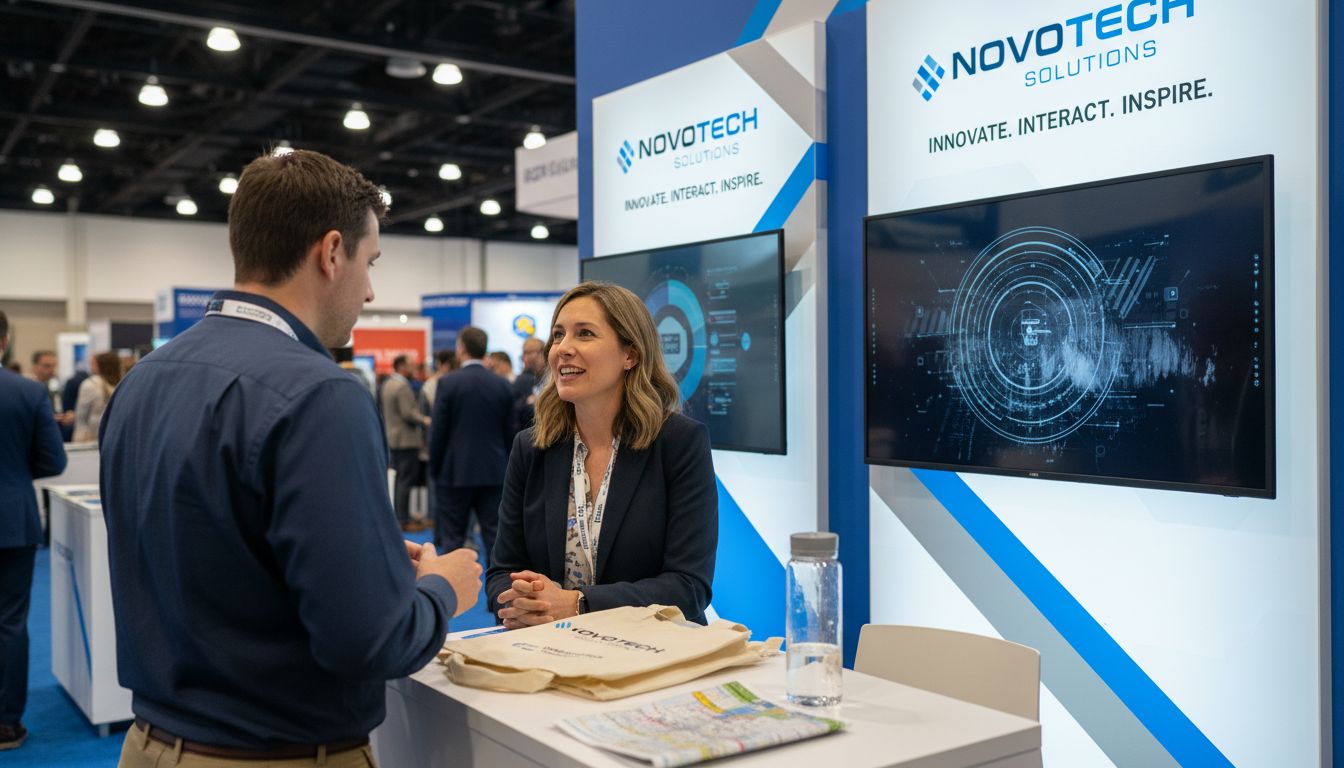
Different industries leverage bespoke display designs to achieve unique strategic objectives. Event display types range from technology sector product launches that require cutting-edge interactive installations to healthcare conferences demanding precise, information-rich visual communication. Manufacturing firms might utilize modular displays that showcase complex product ecosystems, while creative industries can design more experimental, visually provocative exhibition spaces that reflect their innovative brand personalities.
The real-world applications of custom display design extend across multiple professional contexts. Technology conferences might incorporate augmented reality interfaces, startup expos could feature lightweight, adaptable booth designs that communicate agility, and academic institutions might develop displays that highlight research achievements through compelling visual narratives. By strategically integrating design elements that speak directly to specific audience expectations, organizations can transform trade show participation from passive marketing activities into powerful brand engagement opportunities that generate meaningful connections and lasting impressions.
Risks, Costs, and Common Missteps
Bespoke display design involves complex financial and strategic considerations that can significantly impact an organization’s event marketing effectiveness. Display booth strategies require careful planning to mitigate potential financial risks and operational challenges. Budget allocation represents a critical first step, with custom displays potentially requiring substantial upfront investments that demand precise return-on-investment calculations and strategic financial planning.
The primary risks in custom display design emerge from multiple interconnected factors. Customization strategies must balance operational efficiency with creative flexibility, recognizing that excessive complexity can lead to increased production costs and potential functional limitations. Common missteps include overdesigning displays that prioritize aesthetic elements over practical functionality, failing to consider transportation and assembly logistics, and neglecting the specific engagement requirements of target audiences across different event environments.
Organizations must also navigate the technological and design challenges inherent in creating truly effective custom displays. Integrating digital and physical design elements requires sophisticated planning to ensure seamless audience interaction. Potential pitfalls include misaligned messaging, inadequate technology integration, and displays that fail to communicate brand narratives effectively. Successful custom display design demands a holistic approach that considers technical constraints, budgetary limitations, brand identity, and audience engagement strategies, transforming potential risks into strategic opportunities for meaningful brand communication.
Comparing Bespoke vs. Standard Displays
The fundamental distinction between bespoke and standard displays lies in their approach to design flexibility and brand representation. Professional display investments reveal that custom displays offer unparalleled opportunities for unique brand storytelling, while standard displays provide more economical but generic visual communication solutions. Bespoke displays are meticulously crafted to reflect an organization’s specific identity, allowing for intricate design elements that standard displays simply cannot replicate.
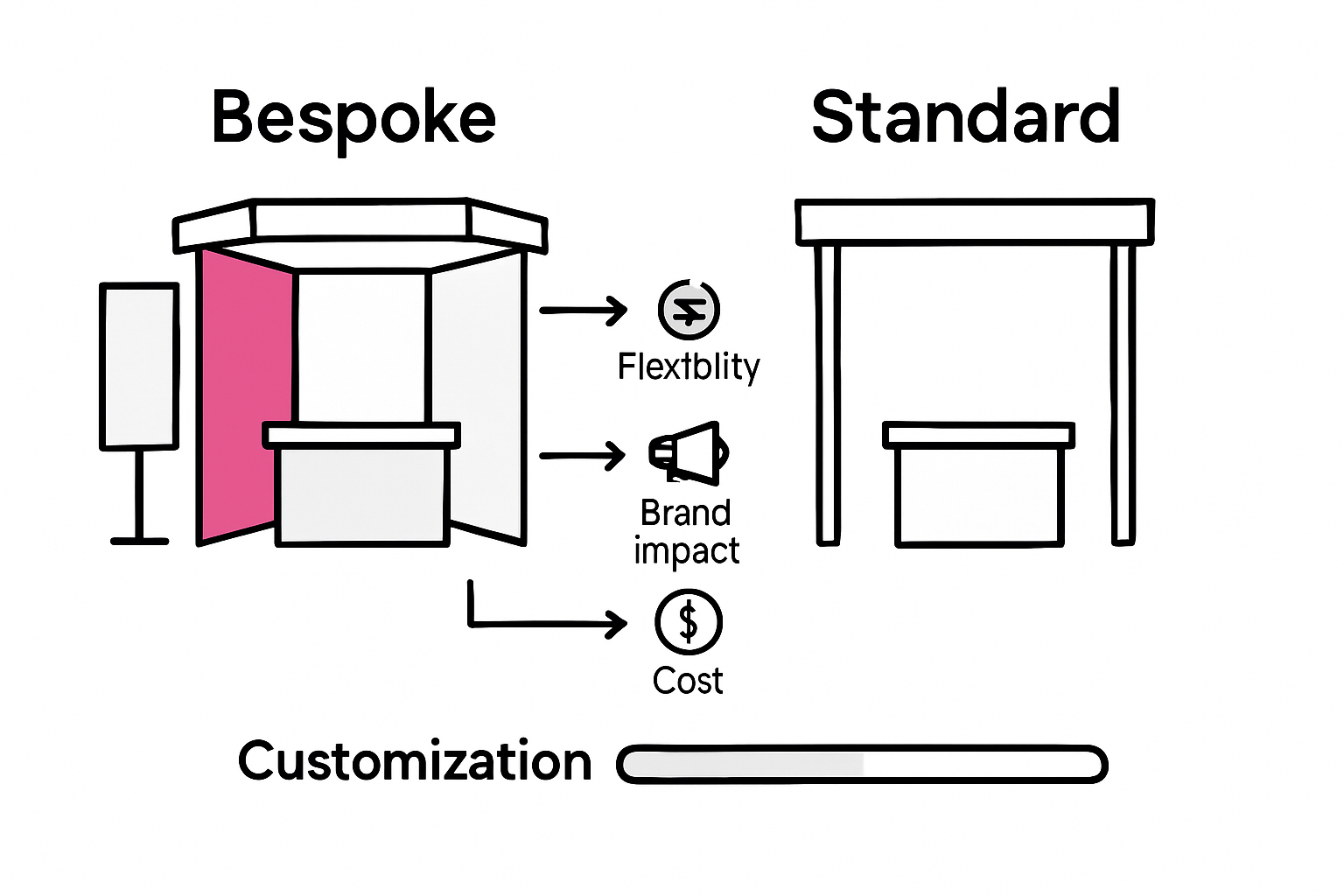
Standard displays typically follow predictable configurations with limited modification options. In contrast, bespoke displays enable organizations to create truly unique visual experiences that break conventional design boundaries. Display technology approaches demonstrate that custom solutions can incorporate advanced technological integrations, interactive elements, and complex spatial designs that transform exhibition spaces from static environments into dynamic brand communication platforms.
The comparative analysis between bespoke and standard displays extends beyond visual aesthetics to strategic brand positioning. While standard displays offer quick, cost-effective solutions suitable for businesses with limited budgets or straightforward presentation needs, bespoke displays provide a sophisticated avenue for brands seeking to make memorable impressions. The investment in custom display design represents a strategic decision that goes beyond mere visual representation, enabling organizations to communicate their unique value proposition, brand personality, and innovative spirit through carefully orchestrated spatial and visual narratives.
Elevate Your Event Branding with Bespoke Display Solutions
Creating an impactful event presence starts with custom-designed displays that truly reflect your brand identity. This article highlights the importance of bespoke display design for transforming ordinary spaces into immersive storytelling environments. If you want to overcome challenges like generic branding, lack of audience engagement, or inflexible display setups, choosing tailored solutions is crucial. With options ranging from sturdy, eye-catching gazebos to versatile roll up banner stands, Live Displays offers exactly what you need to turn your event goals into vibrant visual realities.
Take control of your event branding now by exploring high-quality customizable products at Live Displays. Benefit from advanced printing technology, free artwork proofs, and seamless customization that ensure your investment delivers maximum impact. Don’t wait to create standout displays that captivate and connect with your audience. Start designing your unique event presence today and secure your place as a memorable exhibitor.
Frequently Asked Questions
What is bespoke display design?
Bespoke display design is a strategic approach that creates custom event displays tailored to an organization’s unique branding needs and event goals. It involves crafting visual experiences that go beyond standard marketing materials.
How do bespoke displays differ from standard displays?
Bespoke displays allow for greater design flexibility and personalized brand representation compared to standard displays, which typically follow predictable configurations and offer limited modification options. Custom displays can incorporate advanced features and unique spatial designs that make a stronger impact.
What are the key features of bespoke display design?
Key features of bespoke display design include modular elements for adaptability, interactive technology integration, advanced lighting systems, and the ability to create immersive and engaging brand experiences that are specific to the target audience and event context.
Why are bespoke displays beneficial for branding at events?
Bespoke displays transform generic event spaces into dynamic storytelling platforms, allowing organizations to forge meaningful connections with their audience. They enhance brand identity and effectively communicate unique value propositions, creating lasting impressions during events.
Share:
What Is a Trade Show Display? Complete Guide
How to Choose Promotional Displays for Maximum Event Impact