

Most American businesses invest thousands each year in live events, yet only about 40 percent report seeing a direct return from their promotional displays. Setting clear goals and choosing the right visual elements can make the difference between a forgettable booth and one that draws the crowd. By focusing on strategy from day one, you can design displays that truly resonate with your target audience and capture measurable results.
Table of Contents
- Step 1: Define Event Goals And Display Needs
- Step 2: Assess Venue Requirements And Branding Guidelines
- Step 3: Select Display Types That Match Objectives
- Step 4: Compare Material Quality And Customization Features
- Step 5: Review Proofs And Confirm Order Details
Quick Summary
| Key Point | Explanation |
|---|---|
| 1. Define clear event goals | Clearly outline your objectives such as product launches or networking to drive effective display strategies. |
| 2. Choose the right venue | Select a venue that supports your display needs and aligns with your brand identity for a cohesive experience. |
| 3. Select suitable display types | Choose displays that serve your event goals, considering practicality and audience engagement. |
| 4. Evaluate materials and customization | Prioritize durable materials that represent your brand well and offer versatility for future events. |
| 5. Review proofs carefully | Meticulously check all order details to ensure accuracy in graphic and structural specifications before production. |
Step 1: Define event goals and display needs
Successful promotional displays start with crystal clear objectives. Your first task is understanding exactly what you want to accomplish and who you want to reach with strategic event planning.
Begin by asking fundamental questions about your event purpose. What specific outcomes are you targeting? Are you launching a product, generating brand awareness, collecting leads, or networking with industry professionals? Each goal demands a different display strategy. For instance, a product launch requires interactive displays that showcase features, while a networking event might prioritize comfortable meeting spaces with subtle branding elements.
To streamline your planning, create a comprehensive checklist covering key details. Identify your target audience demographics, expected attendee numbers, venue constraints, and budget limitations. These factors directly influence display design and placement. A technology conference needs different visual approaches compared to a community fundraising event. By meticulously defining your goals and audience needs upfront, you’ll design promotional displays that not only look impressive but deliver measurable impact.
Step 2: Assess venue requirements and branding guidelines
Selecting the right venue is a critical step in creating impactful promotional displays. Your goal is to find a location that not only accommodates your physical display needs but also reinforces your brand’s visual identity.
Carefully evaluate the venue’s physical characteristics and safety considerations. Ensure the site provides reasonable security and accessibility for all potential attendees, regardless of their background. Consider factors like floor space, ceiling height, electrical outlets, and load bearing capabilities that will support your display structures. Pay close attention to the venue’s aesthetic environment – it should complement your brand’s color schemes, style, and overall messaging.
Branding guidelines are equally crucial in venue selection. Your promotional displays must align seamlessly with your organization’s visual standards. Analyze the venue’s existing architectural elements, lighting conditions, and spatial layout to determine how your displays will integrate effectively. A technology conference might require sleek, modern display backgrounds, while a community fundraising event could benefit from warmer, more inviting design elements. By meticulously matching your display strategy to both venue requirements and brand identity, you’ll create a cohesive and memorable event experience.
Step 3: Select display types that match objectives
Choosing the right promotional displays requires a strategic approach that aligns precisely with your event goals. Your display selection is not just about aesthetics but about creating a targeted communication tool that effectively reaches your audience.
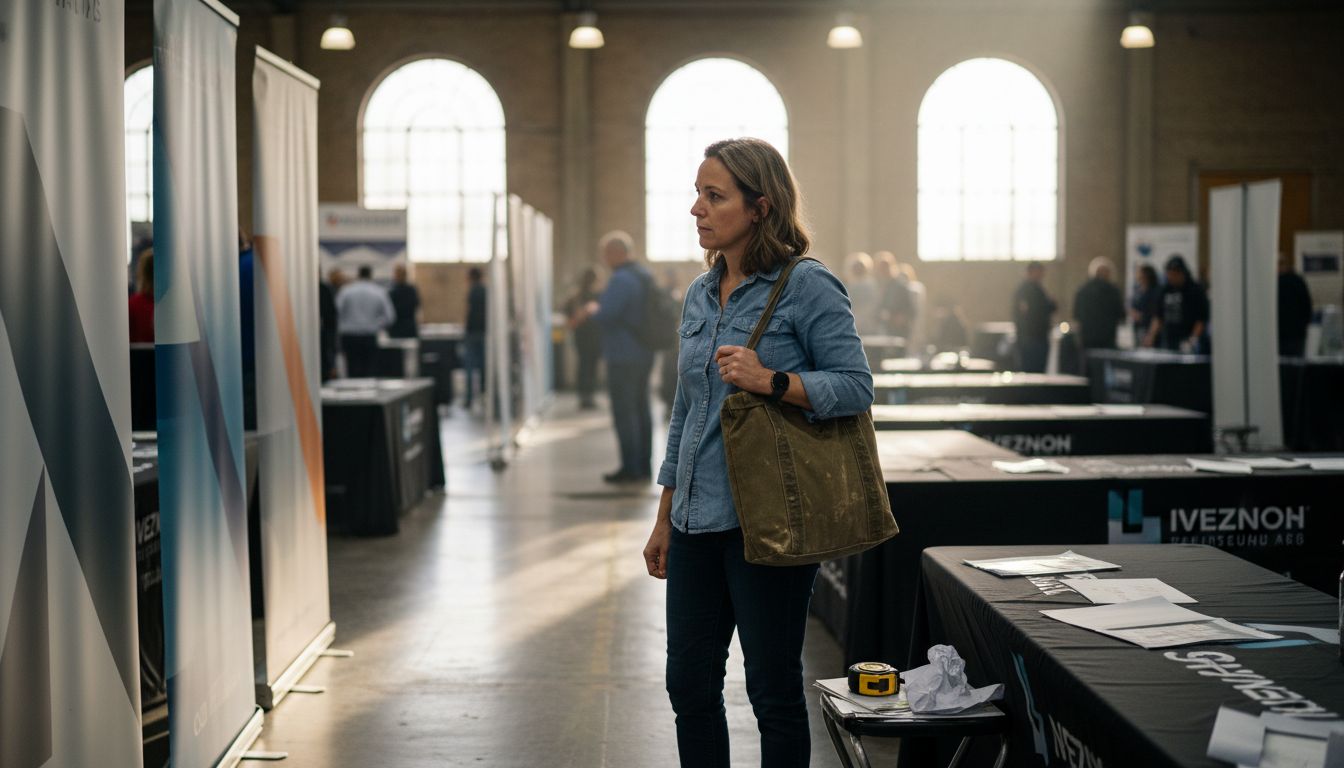
Carefully filter display options based on your organization’s specific objectives and available resources. For product launches, interactive touchscreen displays or demonstration areas might work best. Networking events could benefit from modular booth designs that encourage conversation. Trade show exhibitors might prioritize large backdrop displays with compelling graphics, while community events might need more approachable, information rich panels. Consider practical constraints like budget, venue space, and technical requirements when making your selection.
Remember that display choices are not static. Continuously review and refine your display strategy to ensure it remains aligned with your original event intent. A well chosen display can transform your event from ordinary to extraordinary, creating memorable experiences that resonate with your target audience and effectively communicate your brand’s core message.
Step 4: Compare material quality and customization features
Evaluating promotional display materials requires a strategic approach that goes beyond simple visual aesthetics to capture your brand’s core essence. Your display materials are more than just physical structures they are silent brand ambassadors representing your organization’s identity and professionalism.
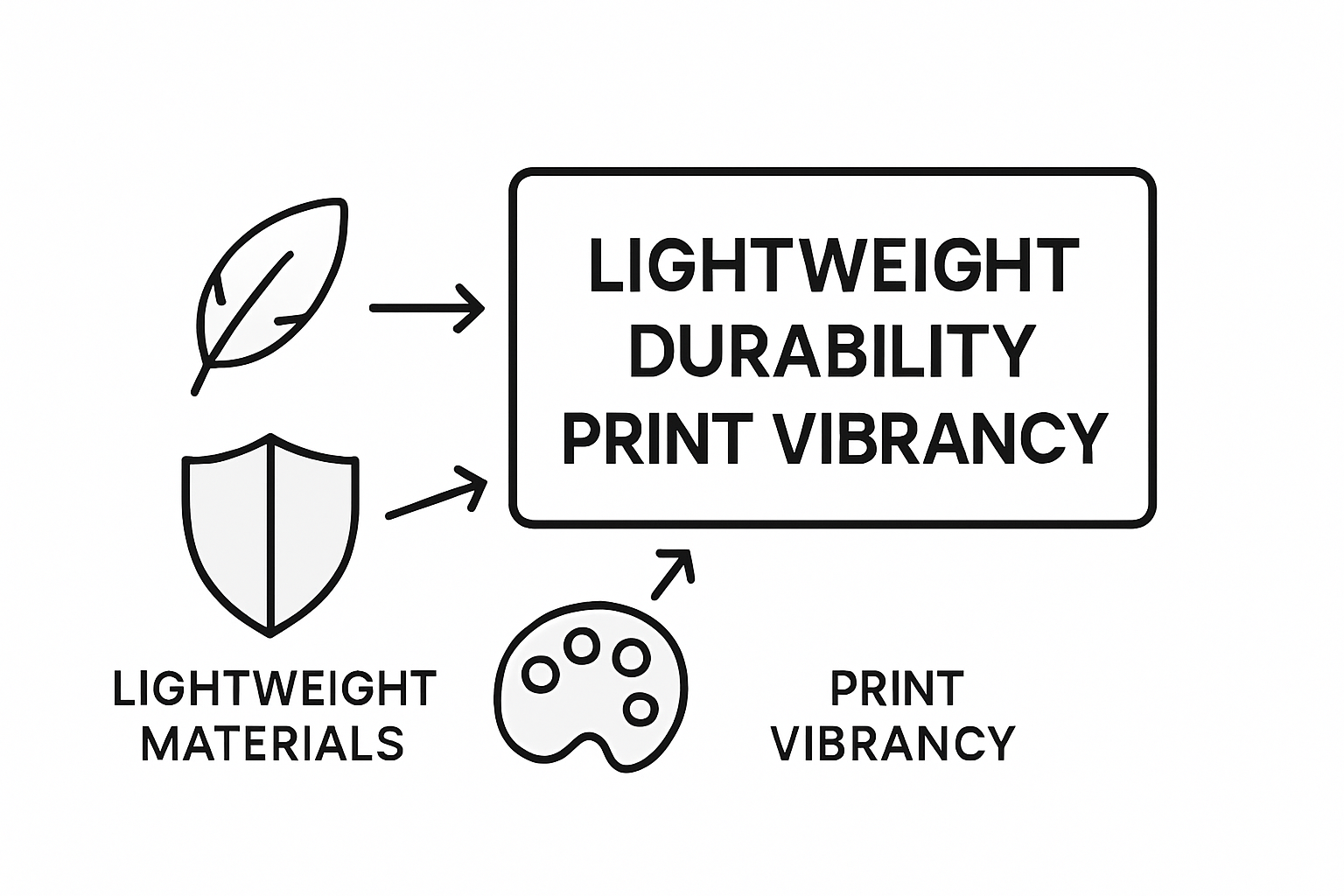
Develop a comprehensive visual strategy that balances functional requirements with brand representation. Consider materials that offer durability, lightweight portability, and exceptional print quality. Aluminum frames provide structural integrity, while fabric graphics deliver vibrant color reproduction. Examine customization options like modular designs that can be reconfigured for different event spaces, interchangeable graphic panels, and adaptable mounting systems. Prioritize materials that withstand multiple uses, resist wrinkles, and maintain crisp visual appearance under various lighting conditions.
Remember that material selection is an investment in your brand’s visual communication. High quality displays communicate professionalism and attention to detail. Choose materials that not only meet your immediate event needs but also offer long term versatility, ensuring your promotional displays continue to make powerful impressions across multiple events and marketing opportunities.
Step 5: Review proofs and confirm order details
The final stage of selecting promotional displays requires meticulous attention to detail. Understanding your budgetary constraints and resource allocation will help you make informed decisions during the review process.
Carefully examine every aspect of your order to ensure it aligns with your organization’s goals and available resources. Request digital proofs that showcase exact color reproduction, graphic placement, and structural specifications. Check dimensions carefully to confirm they match your venue requirements. Pay special attention to graphic resolution, color accuracy, and material specifications. Verify that every element from font sizes to logo placements meets your brand guidelines. Look for potential printing or structural issues that could compromise your display’s professional appearance.
Remember that the proof review is your final checkpoint before production. Take your time and do not rush this critical step. A thorough review can prevent costly mistakes and ensure your promotional displays represent your brand exactly as you envision. Once you are completely satisfied with every detail, confidently approve the final proof and prepare for an impactful event presentation.
Elevate Your Event With Custom Promotional Displays
Choosing the perfect promotional displays can feel overwhelming when you want maximum impact at your event. From defining your goals to matching the ideal materials, every step demands solutions that align with your vision and venue needs. If you seek durable, customizable options that add professional visual appeal while boosting engagement, Live Displays has you covered.
Explore our Roll Up Banner Stands – LIVE DISPLAYS for versatile and portable branding tools that fit any event space. Need outdoor presence or sheltered areas? Discover sturdy, eye-catching options in our Gazebos – LIVE DISPLAYS collection crafted for impressive visibility and shelter.
Don’t let your event visibility fall short. Visit Live Displays now to customize high-quality displays that reflect your brand identity with precision. Take control of your next event’s success by securing your custom solutions today and create an unforgettable experience for every attendee.
Frequently Asked Questions
What are the key goals to consider when choosing promotional displays for an event?
Choosing promotional displays begins with defining clear objectives such as product launches, brand awareness, or networking. Identify your specific outcomes and tailor your display strategy to align with these goals for maximum impact.
How do I assess venue requirements for my promotional displays?
To assess venue requirements, evaluate factors like floor space, ceiling height, and accessibility. Ensure your display design complements the venue’s characteristics and adheres to safety standards before finalizing your selection.
What types of promotional displays are best for different event objectives?
Different event objectives call for specific display types. For example, interactive displays work well for product launches, while modular booths are effective for networking events. Match your display choice to the desired audience engagement to enhance effectiveness.
How can I ensure the material quality of my promotional displays?
Select materials based on durability, portability, and print quality to represent your brand effectively. Invest in high-quality materials that will withstand multiple uses and maintain their visual appearance, ensuring a professional impression at each event.
What steps should I take to review proofs before finalizing my display order?
Review your order by examining digital proofs for color accuracy, graphic placement, and structural specifications. Carefully check that all details align with your brand guidelines to avoid mistakes and confirm quality before approving the final proof.
How can I refine my promotional display strategy during the planning process?
Continuously review your display strategy against your initial goals and audience needs. Regularly adjust your approach based on feedback and practical constraints such as budget and venue specifications, enhancing overall event impact.
Share:
What Is Bespoke Display Design: Impact on Event Branding
7 Smart Portable Display Options List for Event Success