
Over 80 percent of american event attendees decide within seconds whether to engage with a booth based on its visual appeal. In busy trade show halls, making your brand stand out is more challenging than ever. Using the right graphics and materials can capture attention and spark real connections. This guide breaks down how effective display strategies help your american brand rise above the crowd with lasting impact.
Table of Contents
- Step 1: Identify Key Branding and Display Needs
- Step 2: Choose Optimal Graphics Formats and Materials
- Step 3: Design Compelling Visuals for Maximum Impact
- Step 4: Prepare Print-Ready Artwork and Approvals
- Step 5: Install and Assess Graphics on Event Booth
Quick Summary
| Important Takeaway | Explanation |
|---|---|
| 1. Understand your brand identity | Analyze core elements like color, typography, and messaging for a strong visual narrative. |
| 2. Use concise, impactful messaging | Craft bold headlines and short statements to communicate your purpose quickly to viewers. |
| 3. Select suitable graphics materials | Choose lightweight, versatile materials that enhance both the aesthetics and practicality of your display. |
| 4. Design for visual and sensory impact | Incorporate consistent visuals and sensory elements to create an engaging experience for attendees. |
| 5. Conduct thorough installation checks | Ensure branding consistency and strategic placement during booth setup for maximum visual appeal. |
Step 1: Identify Key Branding and Display Needs
Successfully standing out at events starts with crystal clear brand understanding and strategic visual communication. Your exhibit booth graphics must transform abstract brand elements into compelling visual narratives that instantly connect with potential clients.
To create an impactful booth design, begin by thoroughly analyzing your brand’s core identity. This means examining your color palette, typography, messaging, and visual style guidelines. Branded displays for events require a systematic approach that translates organizational personality into spatial design. Your graphics should communicate your brand’s unique value proposition within seconds of a viewer’s glance.
When developing booth graphics, focus on crafting concise messaging that communicates your purpose quickly. Research indicates that trade show attendees make split second decisions about engaging with booths. Use bold, clear headlines that communicate your core offering without overwhelming viewers. Short powerful statements work better than dense paragraphs. Consider using design principles that create visual hierarchy guiding viewers exactly where you want their attention.
Pro tip: Always design your graphics with your target audience in mind. What visual elements will resonate most with them? What story are you telling through your design choices?
Step 2: Choose Optimal Graphics Formats and Materials
Selecting the right graphics formats and materials can transform your exhibit booth from ordinary to extraordinary. Your goal is to create visually stunning displays that are both practical and powerful in communicating your brand message.
When exploring graphic materials, consider lightweight exhibit friendly options that balance portability with visual impact. Tensioned fabric and interlocking cardboard are excellent choices that offer easy transportation without compromising design quality. These materials provide flexibility in setup while maintaining a professional appearance.
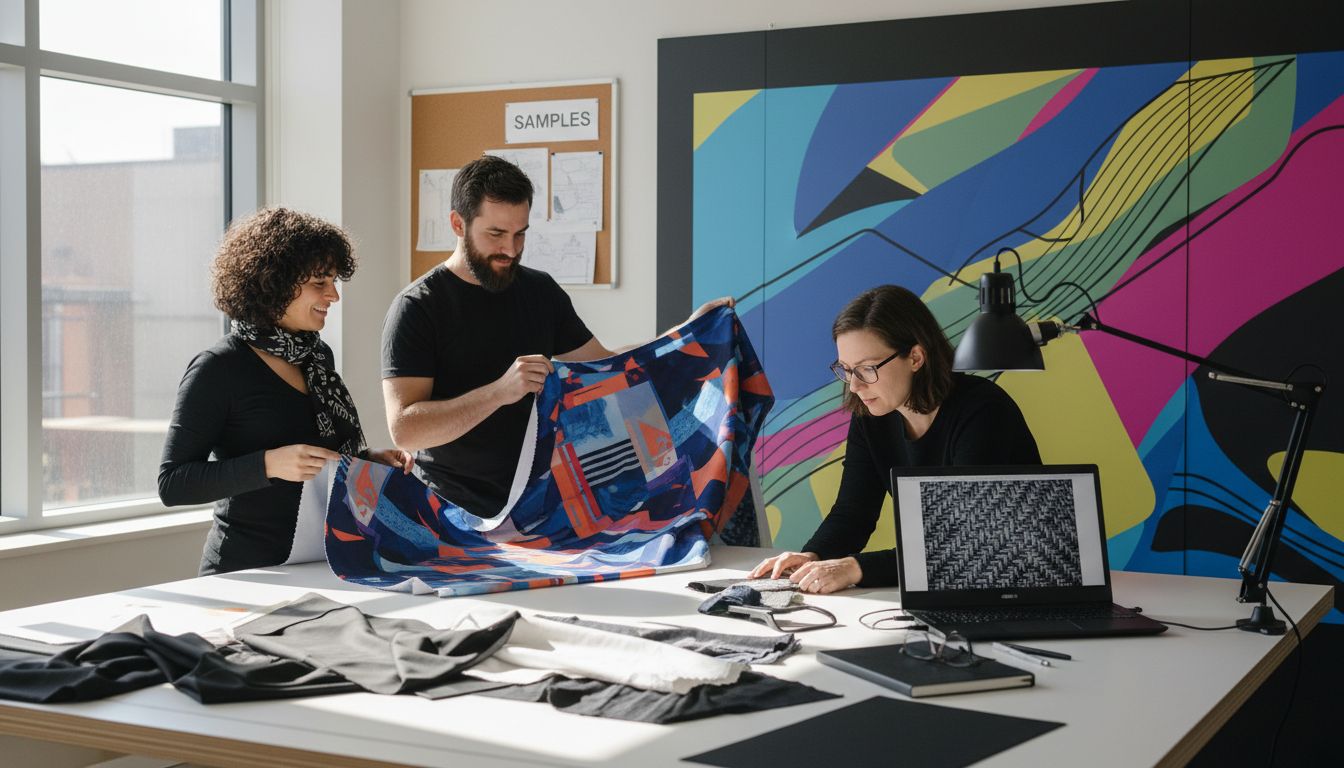
Fabric graphics present remarkable versatility for event displays. Different fabric types offer unique properties like stretchability and varied light reflection characteristics. Consider materials that complement your brand aesthetic and venue lighting conditions. Some fabrics can create dramatic visual effects by interacting differently with ambient light.
Pro tip: Always request material samples before final production. Test how different graphics materials look under various lighting conditions and from multiple viewing distances. This small step can prevent expensive redesign mistakes and ensure your booth looks stunning from every angle.
Step 3: Design Compelling Visuals for Maximum Impact
Creating a visually stunning exhibit booth requires strategic design that captures attention and communicates your brand story instantly. Your graphics must transform complex brand messages into immediate visual experiences that engage potential clients within seconds.
Developing an impactful trade show booth demands a thoughtful approach to visual storytelling. Focus on creating a cohesive environment using consistent color palettes, typography, and brand imagery that work together seamlessly. Every visual element should align with your brand identity, creating a unified narrative that draws viewers into your booth.
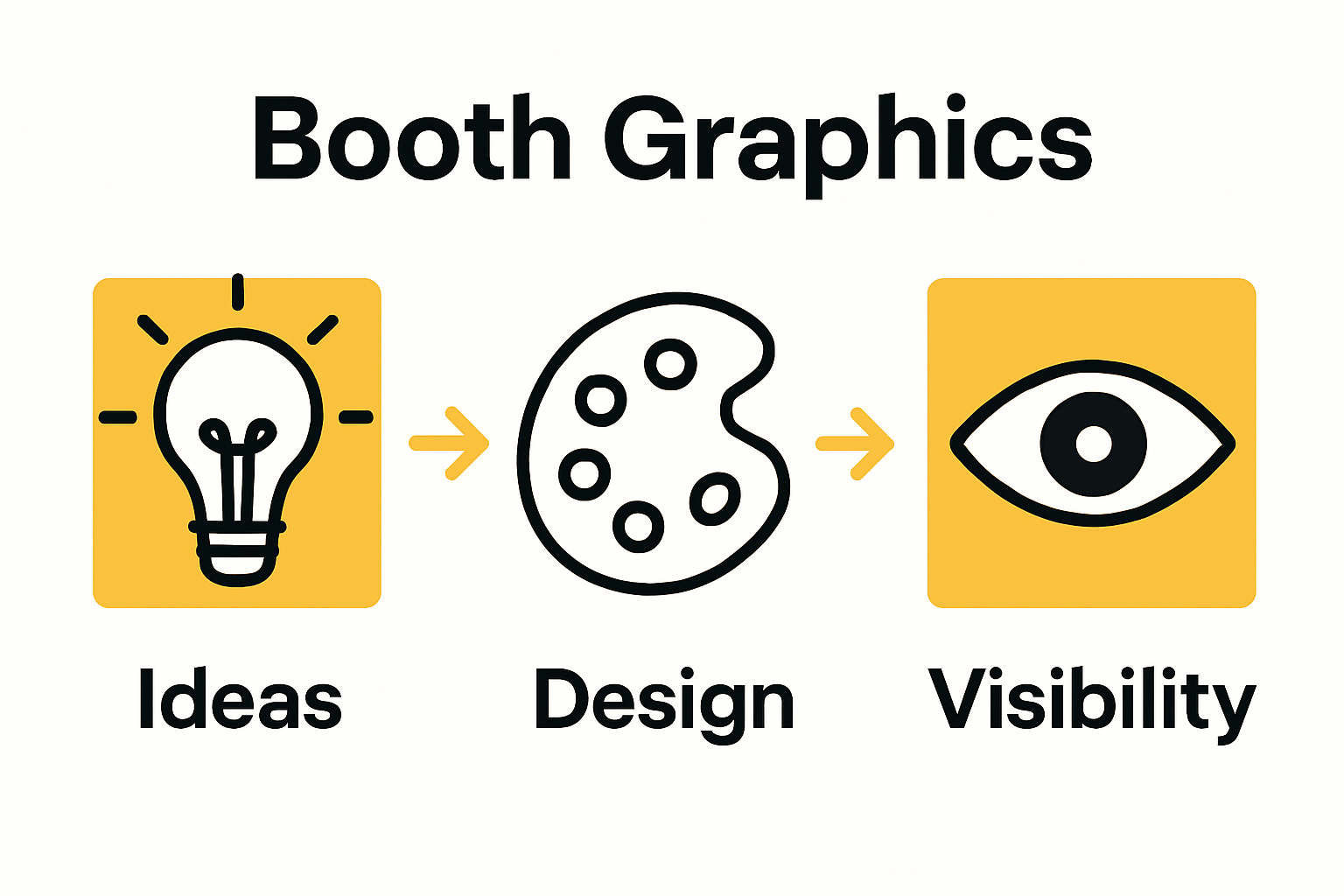
To elevate your design, consider engaging multiple sensory experiences beyond traditional visual elements. Think about incorporating subtle sound elements, interactive textures, or strategic lighting that can create a more immersive brand encounter. The goal is to design a booth that doesn’t just display information but creates a memorable, multi dimensional experience that resonates with your target audience.
Pro tip: Always prototype and test your visual design from multiple viewing distances. What looks compelling up close might lose impact from across the exhibition hall. Create mock ups that help you understand how your graphics will perform in a dynamic, crowded event environment.
Step 4: Prepare Print-Ready Artwork and Approvals
Transforming your creative vision into professional exhibit graphics requires meticulous attention to technical details. Your artwork preparation can make the difference between a stunning display and a disappointing printout.
Digital art file specifications are critical for ensuring high-quality graphic reproduction. Focus on creating files with precise resolution standards both for raster and vector graphics. Vector graphics offer the best scalability without losing quality while raster images must be created at high resolutions typically 300 dots per inch to guarantee crisp visual clarity.
Artwork format requirements extend beyond simple image resolution. Pay careful attention to font embedding color profiles and file type compatibility. Professional designers recommend submitting files in formats like PDF or AI that preserve graphic integrity. Ensure all fonts are either embedded or converted to outlines to prevent unexpected substitutions during printing.
Pro tip: Always request a digital proof before final production. This allows you to catch potential formatting issues color discrepancies or design misalignments that might not be obvious in initial file submissions. A small investment in proofing can save significant time and expense in reprinting.
Step 5: Install and Assess Graphics on Event Booth
Transforming your carefully designed graphics into a compelling booth display requires precision and strategic planning. This final installation stage will determine how effectively your visual story communicates with potential clients.
Strategic booth display tactics emphasize creating an environment that naturally draws visitors. Focus on thoughtful lighting placement to highlight key graphic elements and create visual contrast. Select premium materials that not only look professional but also withstand transportation and multiple event setups. Your booth layout should invite engagement by creating intuitive pathways that guide visitors through your visual narrative.
Avoiding common setup mistakes is crucial for maintaining a polished professional appearance. Ensure absolute consistency in branding across all graphic elements. Check that technology integrations work seamlessly and that your graphics align perfectly without wrinkles or misalignments. Every detail matters in creating a cohesive and impressive booth presentation.
Pro tip: Conduct a comprehensive walkthrough of your booth from multiple perspectives. What looks good up close might not work from a distance. Take photographs and review them critically to identify any potential visual gaps or areas that need refinement.
Elevate Your Exhibit Booth Graphics With Custom Solutions
Struggling to create exhibit booth graphics that truly capture attention and communicate your brand with clarity and impact? This guide highlights how essential it is to design concise messaging, choose the right materials, and prepare flawless artwork to stand out in crowded event spaces. At Live Displays, we understand the challenge of translating your brand identity into compelling visual experiences that draw visitors instantly.
Explore our Roll Up Banner Stands – LIVE DISPLAYS collection for versatile, high-quality banners that support clear, bold messaging. Our premium Gazebos – LIVE DISPLAYS offer a robust framework to showcase your graphics with professional appeal. Each product is customizable with vibrant, durable printing backed by free artwork proofs to ensure your vision comes to life flawlessly.
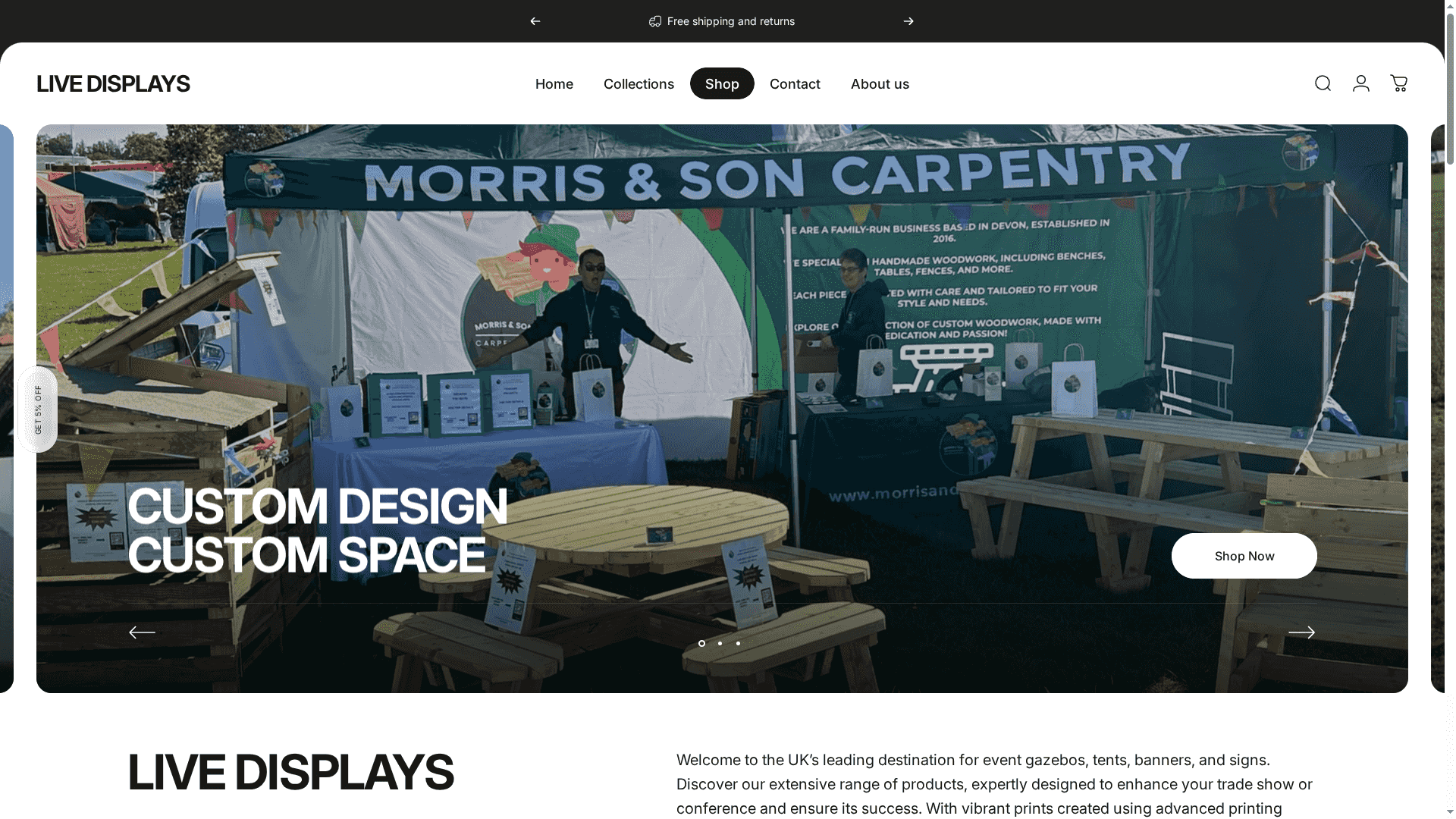
Take control of your event presence with graphics that create a memorable brand impression. Visit Live Displays today and start designing your next standout exhibit. Don’t wait – make your booth the highlight visitors remember and engage with at your next event.
Frequently Asked Questions
What are the key elements to consider when designing exhibit booth graphics?
To design effective exhibit booth graphics, focus on your brand’s core identity elements such as color palette, typography, and messaging. Analyze how these elements can visually communicate your brand story within seconds. Begin by outlining your unique value proposition, ensuring that your graphics align closely with your branding goals.
How can I select the right materials for my booth graphics?
Choose lightweight and exhibit-friendly materials like tensioned fabric or interlocking cardboard to enhance portability and design quality. Always request samples to test their appearance under different lighting conditions before finalizing your choice.
What steps should I take to prepare print-ready artwork for my exhibit graphics?
Ensure your artwork meets digital specification standards by using high-resolution images and appropriate file formats like PDF or AI. Verify elements such as font embedding and color profiles to avoid issues during printing. Submit a digital proof for review to catch any design misalignments before production.
How can I create visuals that effectively engage my target audience?
Develop impactful visuals by maintaining a consistent color palette, typography, and imagery that reflect your brand identity. Consider integrating sensory experiences like lighting or textures to create a memorable environment that resonates with your audience. Test your display design from various distances to ensure it captures attention effectively.
What should I do during the installation of my exhibit booth graphics?
Plan your installation by focusing on the strategic placement of graphics and lighting to highlight key elements. Conduct a thorough walkthrough of your booth from different angles, ensuring consistency in branding and checking for any wrinkles or misalignment in your graphics. Take photographs during this process to review and identify areas for refinement.
Share:
Table Display Setup Instructions for Impactful Event Branding
What Are Modular Displays? Complete Trade Show Guide