
Most American event marketers face the challenge of standing out in crowded spaces where attention spans average less than eight seconds. Choosing the right display can make all the difference in audience engagement and brand recall. By mastering eye-catching graphics, customized displays, and interactive strategies, you create a powerful experience that captures interest and inspires action at every event.
Table of Contents
- Choose Eye-Catching Graphics For Maximum Impact
- Customize Displays To Match Your Brand Identity
- Optimize Placement For Audience Flow And Visibility
- Highlight Key Messages With Clear, Bold Text
- Utilize Interactive Elements To Engage Attendees
- Leverage Accessories Like Banners And Flags For Cohesion
- Offer Exclusive Promotions To Encourage Visitor Action
Quick Summary
| Key Message | Explanation |
|---|---|
| 1. Use Eye-Catching Graphics | High-quality, strategically designed graphics capture attention and convey your brand message effectively. |
| 2. Maintain Brand Consistency | Consistent branding across display elements ensures a cohesive brand experience and helps with audience recognition. |
| 3. Optimize Display Placement | Strategic placement enhances visibility and audience engagement by guiding viewer interaction in natural flow patterns. |
| 4. Highlight Messages with Bold Text | Clear, bold typography helps capture attention and ensures that your key messages are easily understood at a glance. |
| 5. Offer Exclusive Promotions | Irresistible, event-specific promotions create urgency and motivate attendees to take action, driving engagement and conversions. |
1. Choose Eye-Catching Graphics for Maximum Impact
Visual communication can make or break your event marketing strategy. Powerful graphics serve as silent ambassadors that capture attention, communicate your brand message, and drive audience engagement before a single word is spoken.
When designing display graphics, understanding core visual principles is crucial. High-quality images with strategic layouts dramatically enhance viewer perception and retention. Think of your graphics as a visual narrative that instantly communicates your brand’s essence.
Color Psychology Matters
Color selection goes far beyond aesthetic appeal. Each color triggers specific psychological responses. Blue communicates professionalism and trust, red evokes excitement and urgency, while green suggests growth and harmony. By carefully selecting your color palette, you can subconsciously influence how potential clients perceive your brand.
Design Principles for Maximum Impact
Effective graphics require careful consideration of several key elements:
- Simplicity: Avoid visual clutter. One powerful image trumps multiple competing graphics
- High Resolution: Use crisp, professional images that look sharp at large scales
- Brand Consistency: Align graphics with your existing brand identity and color scheme
- Strategic Placement: Position key visuals where they naturally draw the human eye
Technical Execution Tips
Professional graphic design isn’t just about looking good. It’s about communicating effectively. Work with designers who understand both visual aesthetics and strategic communication. Invest in professional photography or high-quality stock imagery that represents your brand authentically.
Remember: In the world of event marketing, your graphics are your first impression. Make them count.
2. Customize Displays to Match Your Brand Identity
Your event display is more than a physical structure it is a three dimensional representation of your brand story. Creating a display that seamlessly communicates your unique brand identity requires strategic design and thoughtful execution.
Why Brand Consistency Matters
Consistent branding transforms ordinary displays into powerful marketing tools. Visual identity systems create cohesive brand experiences that help potential clients recognize and remember your organization instantly.
Core Customization Strategies
To effectively customize your display, focus on these critical elements:
- Color Palette: Use your exact brand colors across all display materials
- Typography: Select fonts that match your brand guidelines
- Logo Placement: Strategically position your logo for maximum visibility
- Imagery: Choose visuals that reflect your brand personality and values
Design Execution Tips
Customization goes beyond surface level aesthetics. Effective branded design requires careful consideration of color, font, and visual elements to create a unified brand experience.
Professional designers recommend creating a comprehensive brand style guide that outlines specific parameters for your display design. This ensures consistency across all marketing materials and helps your team maintain a professional visual identity.
Remember: Your display is a three dimensional business card. Make every square inch count.
3. Optimize Placement for Audience Flow and Visibility
Display placement is a strategic art form that can dramatically influence audience engagement and event success. Your physical layout determines how potential clients interact with your brand and navigate your space.
Understanding Audience Psychology
Effective display placement goes beyond simple logistics. Strategic content positioning helps guide viewer attention and create meaningful interactions by understanding human movement patterns and visual perception.
Key Placement Principles
Consider these critical factors when designing your event display layout:
- Traffic Flow: Position displays where natural foot traffic converges
- Sightline Optimization: Ensure displays are visible from multiple angles
- Psychological Proximity: Create inviting spaces that encourage interaction
- Contextual Relevance: Align display locations with related event themes
Strategic Positioning Techniques
Professional event marketers recommend creating multiple engagement zones. Place your primary display where it captures immediate attention typically at entry points or central intersections. Secondary displays should complement the main exhibit by providing additional information or creating narrative depth.
Remember that audience movement is dynamic. Flexible display options allow you to adapt your layout for maximum engagement and create an immersive brand experience.
Your goal is not just visibility but creating a spatial story that guides and inspires potential clients through strategic visual storytelling.
4. Highlight Key Messages with Clear, Bold Text
In the fast paced world of event marketing, you have mere seconds to capture an audience’s attention. Strategic text design can transform your display from background noise to a compelling communication tool.
The Science of Visual Communication
Effective text design uses typography and color to direct viewer attention and create instant understanding. Your text is not just information it is a visual gateway to your brand message.
Typography Principles for Maximum Impact
Consider these critical text design strategies:
- Font Selection: Choose clean, professional typefaces that reflect your brand
- Size Hierarchy: Use larger fonts for primary messages, smaller for supporting details
- Color Psychology: Select colors that complement your brand and create emotional resonance
- White Space: Allow breathing room around key text elements
Technical Execution Tips
Large, legible fonts ensure your message remains clear and accessible across different viewing distances. Professional designers recommend:
- Minimum font size of 24 points for primary messages
- High contrast between text and background colors
- Sans serif fonts for maximum readability
- Consistent font weights and styles
Remember: Your text is a visual ambassador. Make every letter count.
5. Utilize Interactive Elements to Engage Attendees
In a world saturated with marketing messages, interactive displays are your secret weapon for cutting through the noise and creating memorable audience experiences. The right interactive elements transform passive observers into active participants.
Understanding Interactive Engagement
Interactive displays offer dynamic ways to showcase content and capture audience attention through personalized, immersive experiences that go beyond traditional static presentations.
Interactive Strategy Types
Consider these powerful engagement techniques:
- Touchscreen Demonstrations: Allow direct product interaction
- Digital Polls and Surveys: Gather real time audience insights
- Gamification Elements: Create competitive, fun experiences
- Augmented Reality Interfaces: Provide cutting edge brand interactions
Technical Implementation Approaches
Responsive design enables seamless interactions across different display formats, ensuring your interactive elements work smoothly for every attendee. Professional event marketers recommend:
- Intuitive user interfaces
- Quick loading interactive modules
- Clear instructions for participation
- Immediate feedback mechanisms
Remember: Interaction transforms viewers from spectators to participants. Make every touchpoint count.
6. Leverage Accessories Like Banners and Flags for Cohesion
Successful event marketing is about creating a visual symphony where every element works together to tell your brand story. Banners and flags are not mere decorative accessories they are powerful communication tools that amplify your message.
The Strategic Role of Accessory Elements
Cohesive design elements ensure your brand maintains a consistent visual identity across different display components. Think of these accessories as the supporting musicians in your brand’s orchestra.
Accessory Integration Strategies
Consider these strategic approaches for maximizing accessory impact:
- Color Coordination: Match banners and flags to your primary brand palette
- Consistent Messaging: Ensure text and graphics align with core brand narrative
- Strategic Placement: Position accessories to guide audience attention
- Material Selection: Choose high quality fabrics that represent your brand values
Technical Design Principles
Profile banners and flags can effectively communicate brand personality during special events when designed with intentionality. Professional event marketers recommend:
- Lightweight yet durable material options
- Wrinkle resistant printing techniques
- Modular design for flexible configurations
- Scalable graphics that remain crisp at different sizes
Remember: Your accessories are silent brand ambassadors. Make them speak volumes.
7. Offer Exclusive Promotions to Encourage Visitor Action
In the competitive landscape of event marketing, exclusive promotions are the difference between passive observation and active engagement. Your promotion strategy can transform casual browsers into committed customers.
Psychology of Promotional Offers
Strategic digital content can create targeted promotions that drive audience action by tapping into fundamental human motivations like scarcity and opportunity.
Promotion Design Principles
Craft irresistible promotional strategies through these key approaches:
- Limited Time Offers: Create urgency with time sensitive deals
- Event Only Discounts: Provide unique value for live event attendees
- Tiered Incentive Structures: Reward different levels of engagement
- Instant Gratification: Enable immediate redemption of promotional benefits
Execution Tactics
Interactive display technologies can showcase dynamic promotional content that captures audience attention. Professional marketers recommend:
- Clear and concise promotional messaging
- Visually appealing graphics
- Simple redemption processes
- Trackable unique promotional codes
Remember: A great promotion does not just offer value it tells a compelling story about your brand.
Below is a comprehensive table summarizing the key strategies and considerations for effective event marketing as discussed in the article.
| Strategy | Implementation | Expected Results |
|---|---|---|
| Eye-Catching Graphics | Use high-quality images, strategic layouts, and color psychology. Ensure brand consistency and simplicity. | Captures attention and improves brand perception. |
| Customized Displays | Match displays to brand identity using color, typography, and imagery. Ensure cohesion across marketing materials. | Enhances brand recognition and memorability. |
| Optimized Placement | Position displays strategically for traffic flow, sightline optimization, and psychological proximity. | Increases engagement and enhances audience interaction. |
| Clear, Bold Text | Use strategic typography with appropriate font sizes, colors, and white space for clarity. | Improves readability and message retention. |
| Interactive Elements | Incorporate touchscreens, polls, gamification, and AR. Ensure seamless user experience. | Encourages active participation and enhances brand interaction. |
| Accessories for Cohesion | Utilize banners, flags, and cohesive design elements. Ensure material quality and strategic placement. | Amplifies messaging and ensures visual harmony. |
| Exclusive Promotions | Offer limited-time discounts and incentives with easy redemption processes. | Drives audience action and increases conversion rates. |
Elevate Your Event Marketing with Custom Display Solutions
Creating compelling displays that capture attention and communicate your brand effectively is a challenge every event marketer faces. This article highlights how eye-catching graphics, strategic placement, and consistent branding are essential to stand out in crowded venues. If you want your event to make a lasting impression, it is critical to use high-quality, customizable products that align perfectly with your brand identity and marketing goals.
Explore our extensive range of Roll Up Banner Stands – LIVE DISPLAYS that deliver bold, clear messages in high resolution. Complement your setup with branded Lanyards – LIVE DISPLAYS to engage attendees personally and promote consistent branding throughout your event space.
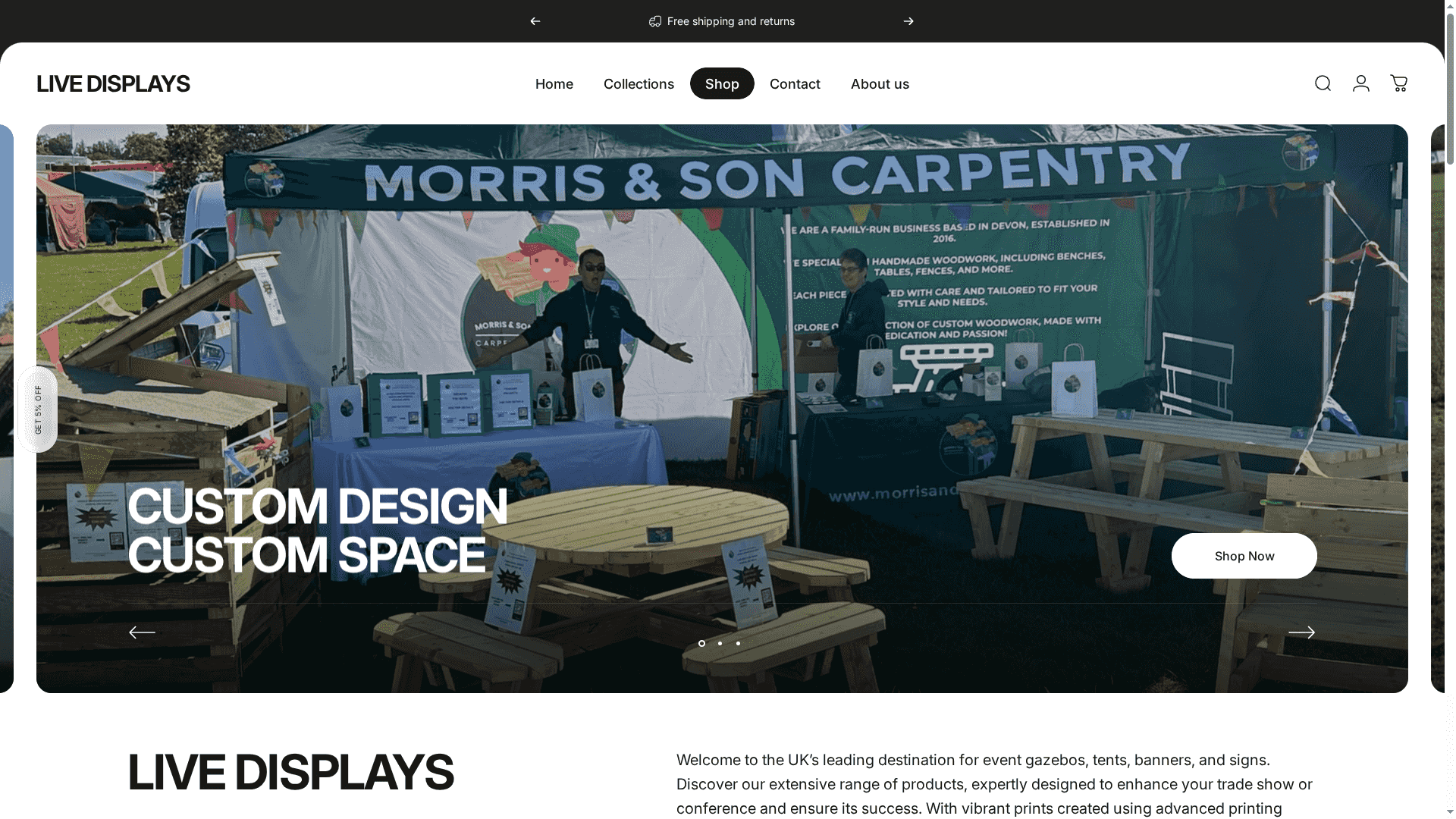
Ready to transform your event presence with premium custom displays tailored to your unique brand story Visit Live Displays now to browse our full catalog of vibrant, professionally printed promotional products. Take advantage of seamless customization options and free artwork proofs that make your event marketing stress free and impactful. Don’t wait Elevate your visibility and capture audience engagement starting today.
Frequently Asked Questions
How can I choose eye-catching graphics for my event display?
Choosing eye-catching graphics starts with understanding your brand message and using high-quality images. Focus on simplicity and consistency in color and design to engage your audience effectively. Ensure your graphics clearly represent your brand identity and are visually appealing.
What are the key principles for customizing my event display?
The key principles for customizing your event display include using your brand’s exact color palette, selecting appropriate typography, and strategically positioning your logo. Develop a comprehensive brand style guide to maintain consistency across all display elements. Consider how every design choice aligns with your overall brand narrative.
How should I optimize the placement of my display for maximum visibility?
To optimize the placement of your display, position it where natural foot traffic converges and ensure it’s visible from multiple angles. Create inviting spaces to encourage interaction and align your display locations with the event themes. A well-thought-out layout can significantly increase audience engagement.
What are some effective strategies for highlighting key messages in my display?
Effective strategies for highlighting key messages include using clean, professional typefaces and maintaining a clear size hierarchy with larger fonts for main messages. Choose colors that complement your brand and use ample white space to enhance clarity. Aim for a minimum font size of 24 points to ensure readability from a distance.
How can interactive elements enhance engagement at my event?
Interactive elements can enhance engagement by creating memorable experiences that transform passive viewers into active participants. Incorporate techniques like touchscreen demonstrations, digital polls, or gamified experiences to invite audience interaction. Ensure the interfaces are intuitive and provide immediate feedback to participants.
What types of promotional offers work best for encouraging visitor action?
Limited-time offers and event-only discounts are effective methods for encouraging visitor action. Create urgency by highlighting time-sensitive deals and establish a simple redemption process to facilitate engagement. Consider tiered incentive structures to reward different levels of participation, making each interaction feel rewarding.
Share:
7 Smart Portable Display Options List for Event Success
7 Must-Have Steps for Your Event Marketing Checklist